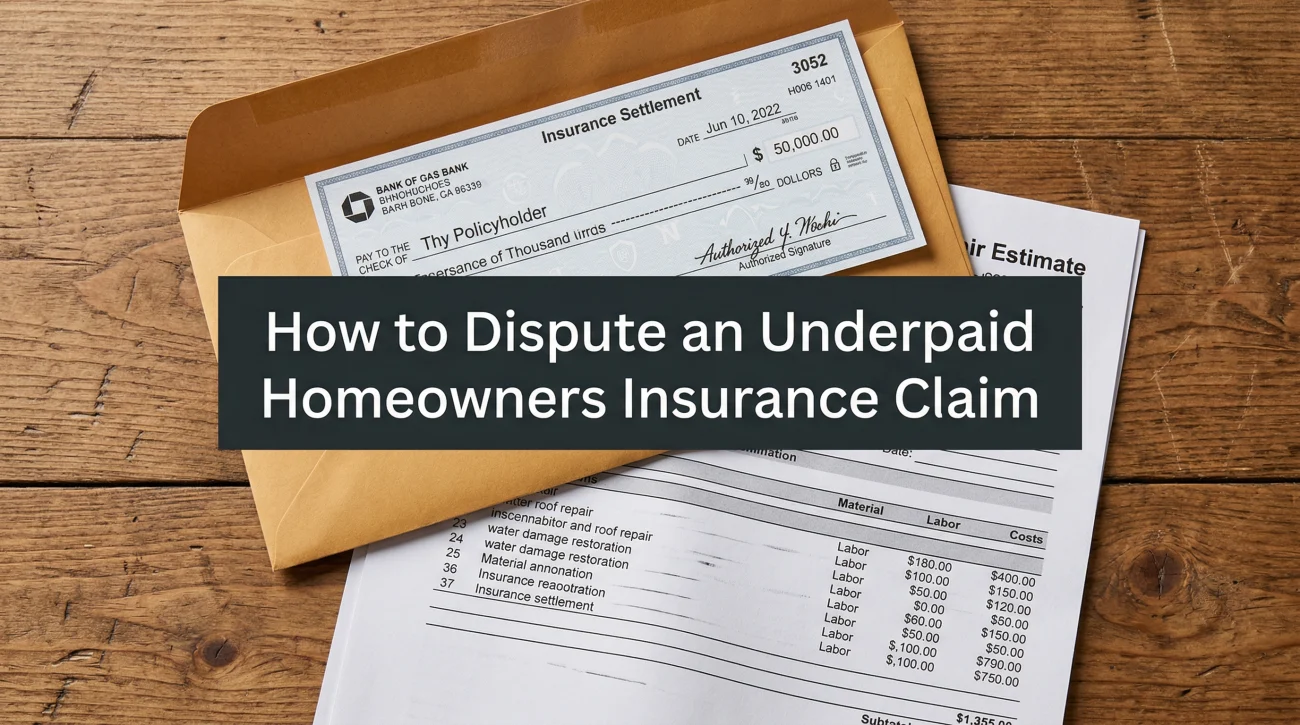
How to Dispute an Underpaid Homeowners Insurance Claim
Homeowners Insurance Underpaid Claim

Receiving a settlement check that doesn’t cover your contractor’s quote is incredibly common and usually fixable through the formal supplement process. Most gaps happen because adjusters use standardized pricing software (Xactimate) that often lags behind local market labor rates, or because they withhold depreciation. You can file a supplement request to bridge the gap if … Read more
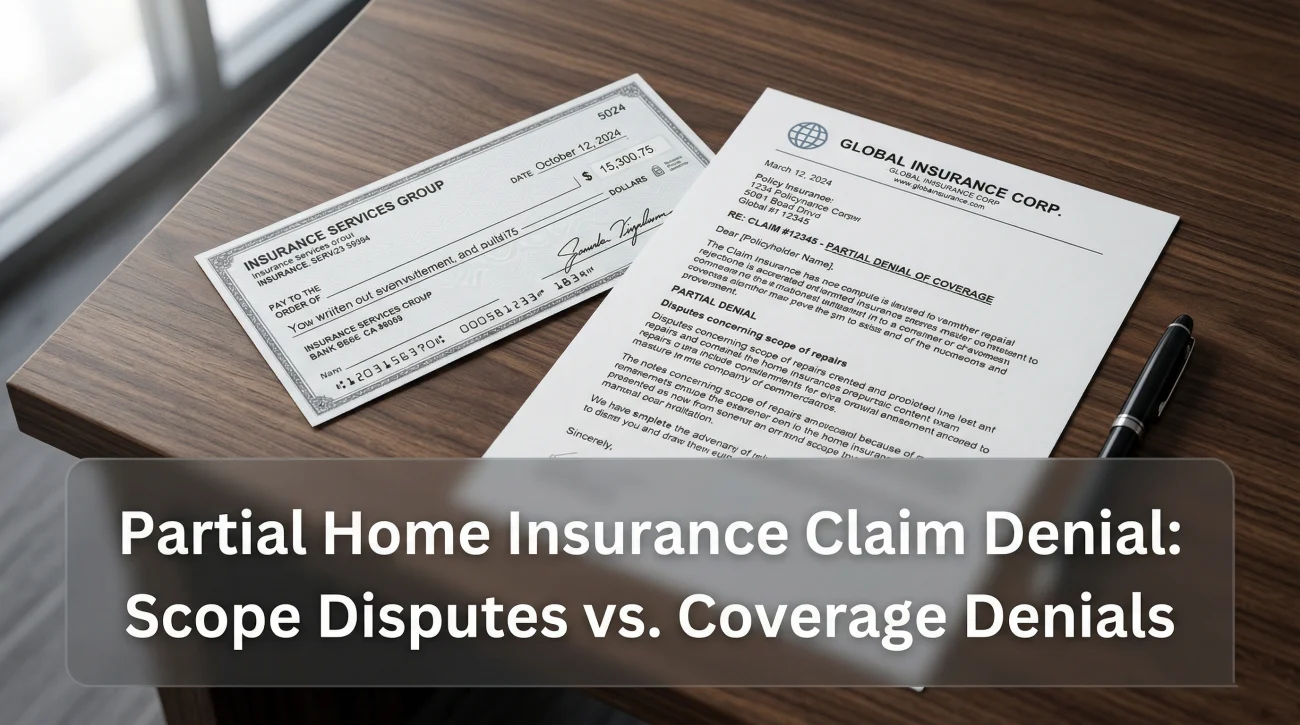
Partial Home Insurance Claim Denial: Scope Disputes vs. Coverage Denials

Partial Home Insurance Claim Denial

A home insurance denial is rarely a simple “yes” or “no.” It usually falls into one of two distinct categories: a full coverage denial or a partial denial. A full denial means the insurer is stating your policy does not cover the event at all. A partial denial means they agree the event is covered, … Read more

Home Insurance Claim Estimate Too Low: Why It Happens and What It Means

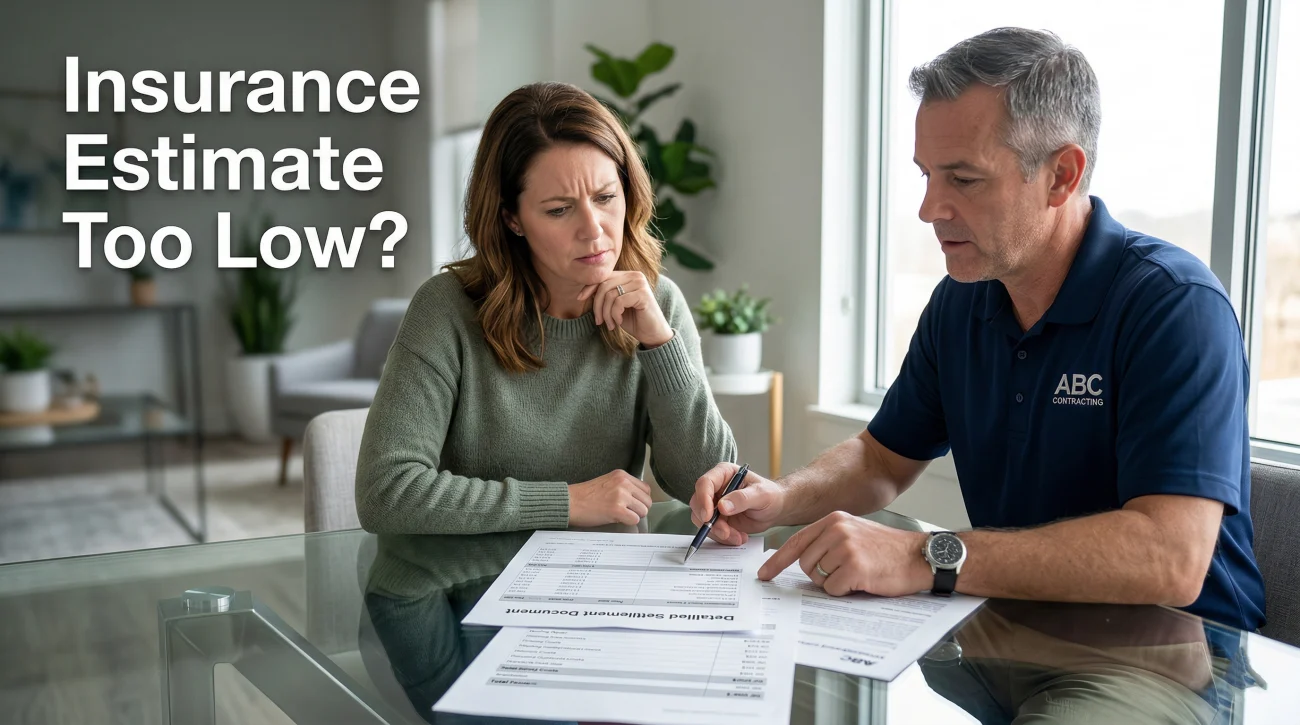
Home Insurance Claim Estimate Too Low

A gap between your contractor’s estimate and the insurance adjuster’s estimate is one of the most common hurdles in the property claim process. Estimates differ because adjusters use standardized software (like Xactimate), while contractors quote real-world local market costs for labor and materials. The most crucial distinction you must make is whether you are facing … Read more

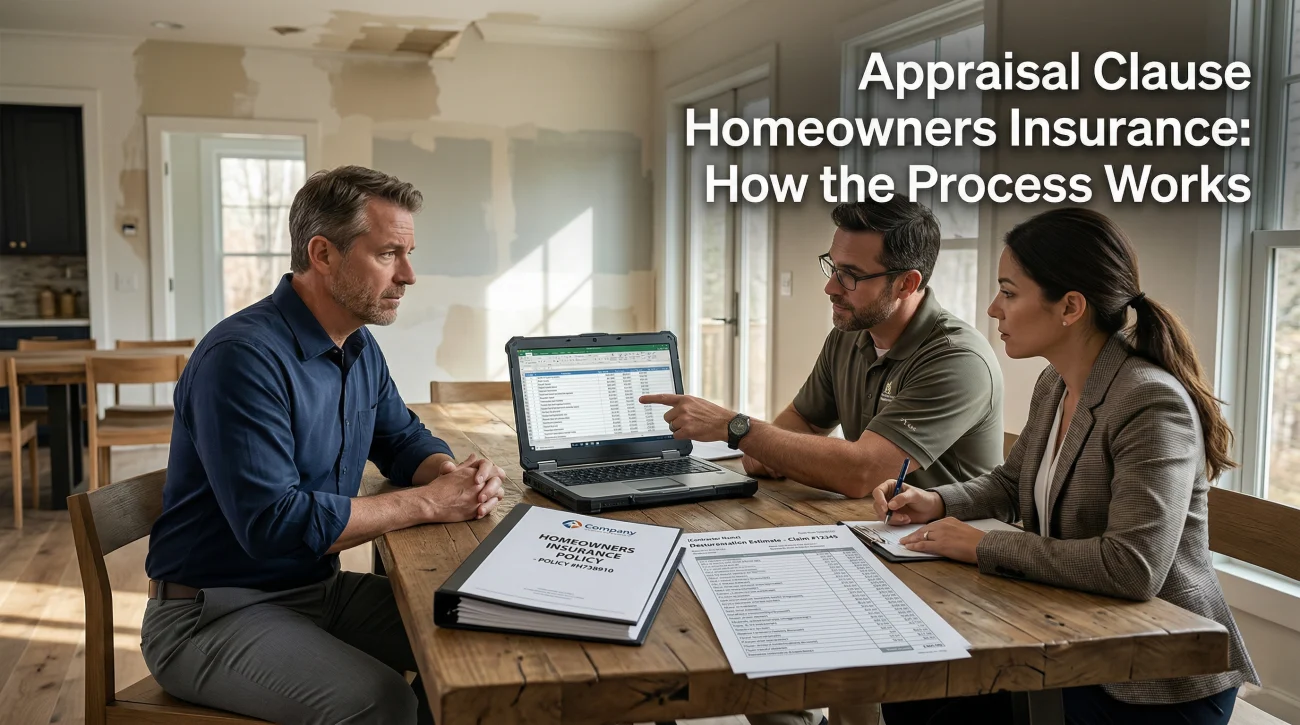
Appraisal Clause Homeowners Insurance: How the Process Works

Appraisal Clause Homeowners Insurance

The appraisal clause is a binding dispute resolution mechanism built into most standard home insurance policies to settle disagreements over the dollar value of a claim. It can only be used for valuation and scope disputes (disagreements over “how much” a repair costs), not for coverage disputes (disagreements over “whether” the policy covers the damage … Read more

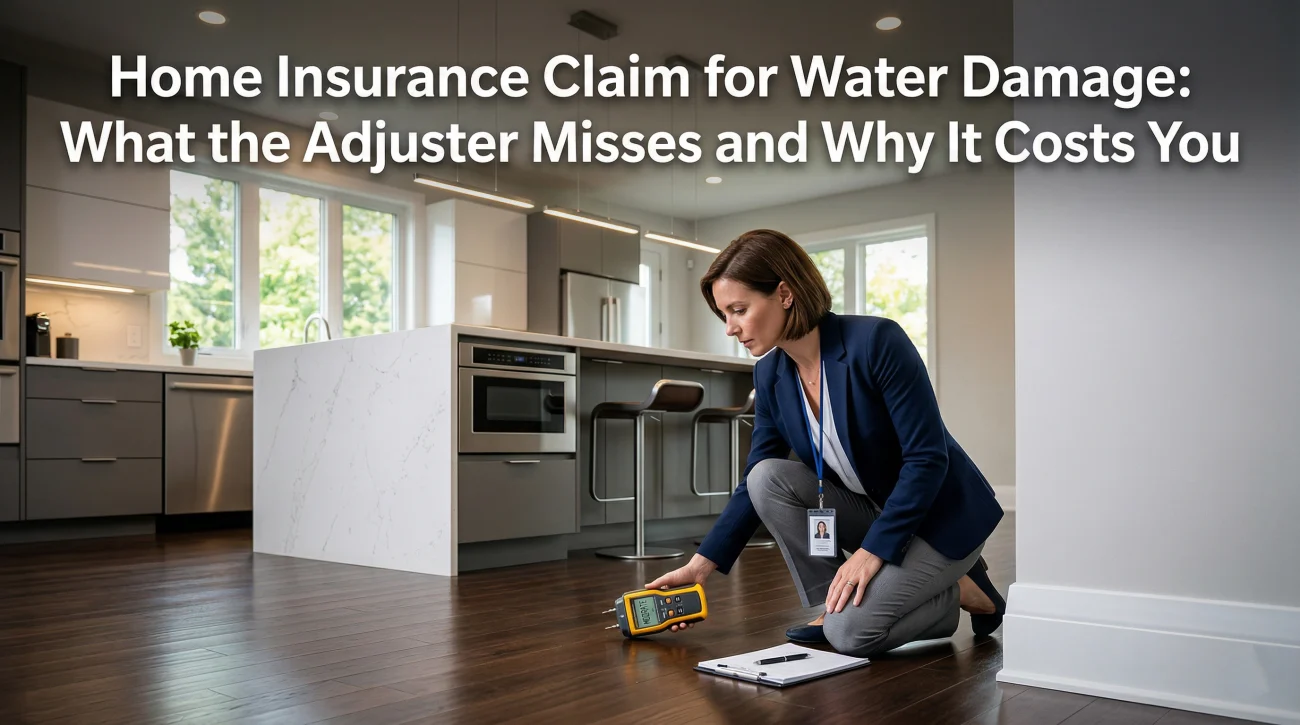
Home Insurance Claim for Water Damage: What the Adjuster Misses and Why It Costs You

Home Insurance Claim For Water Damage

Water damage claims are frequently underpaid not because of coverage denials, but because the adjuster’s initial scope misses hidden moisture behind walls and under floors. A thorough inspection requires moisture readings and thermal imaging; visual-only inspections almost always lead to incomplete settlements. Industry standards dictate specific drying equipment and timeframes. If your settlement cuts these … Read more