Homeowners Insurance Theft Claim: How to File It Correctly and Avoid a Denial

Homeowners Insurance Theft Claim

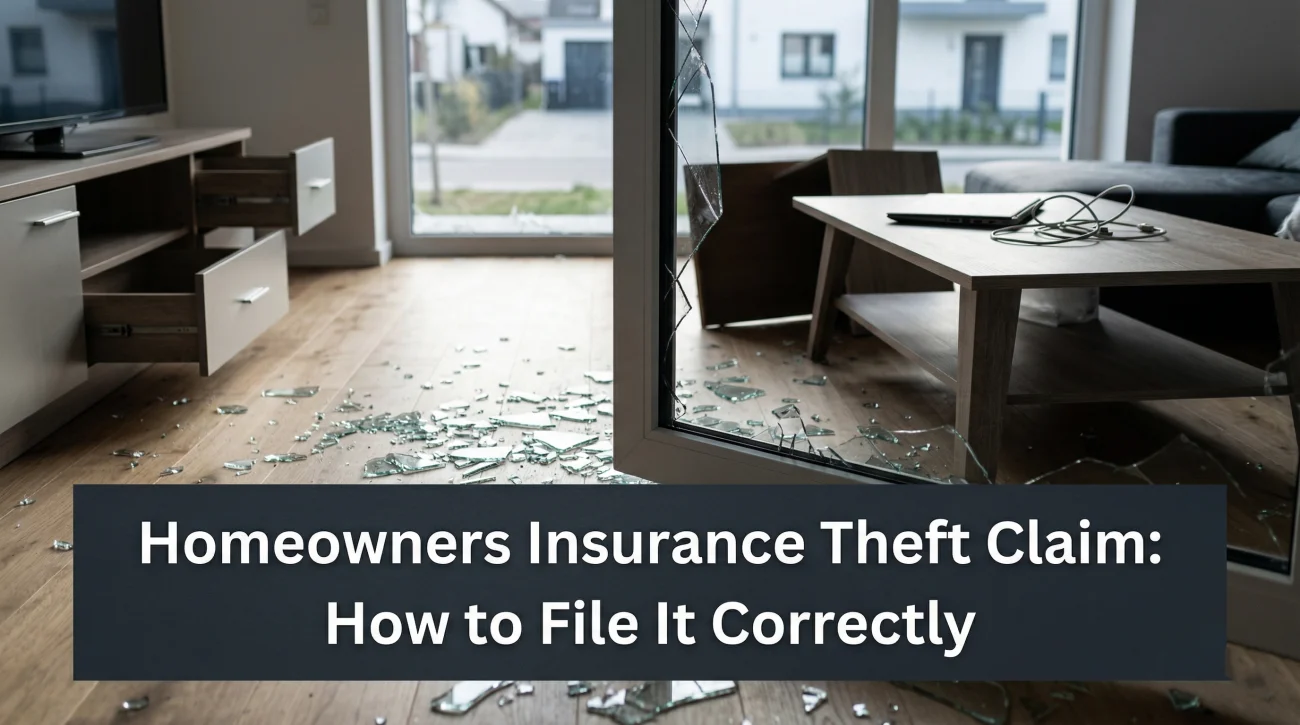
Filing a police report immediately is a non negotiable requirement; missing this step is a primary reason theft claims are denied. Proof of ownership is the hardest hurdle. Adjusters require receipts, serial numbers, or clear photographic evidence to pay full value. Standard policies have strict sub limits for high value items like jewelry, cash, and … Read more

Lightning and Electrical Damage Insurance Claim: Proving Causation When the Insurer Pushes Back

Lightning Damage Insurance Claim

Lightning strikes are named covered perils, but insurers frequently dispute whether the lightning actually caused your electrical damage or if it was just “old age.” Do not throw away any damaged electronics, appliances, or melted wiring before the adjuster inspects them. If your HVAC system is damaged, you need an independent technician to explicitly document … Read more

Sewer Backup Insurance Claim: How to Document It, File It, and Fight a Low Settlement

Sewer Backup Insurance Claim

Sewer backups are classified as Category 3 “black water” events, requiring strict contamination protocols and material removal rather than just drying. Most standard policies do not cover backups automatically. They require a specific endorsement which often comes with strict sub-limits like $5,000 or $10,000. Proper documentation from a licensed plumber stating the exact origin and … Read more

Smoke Damage Insurance Claim: How to Document What Adjusters Routinely Miss

Smoke Damage Insurance Claim

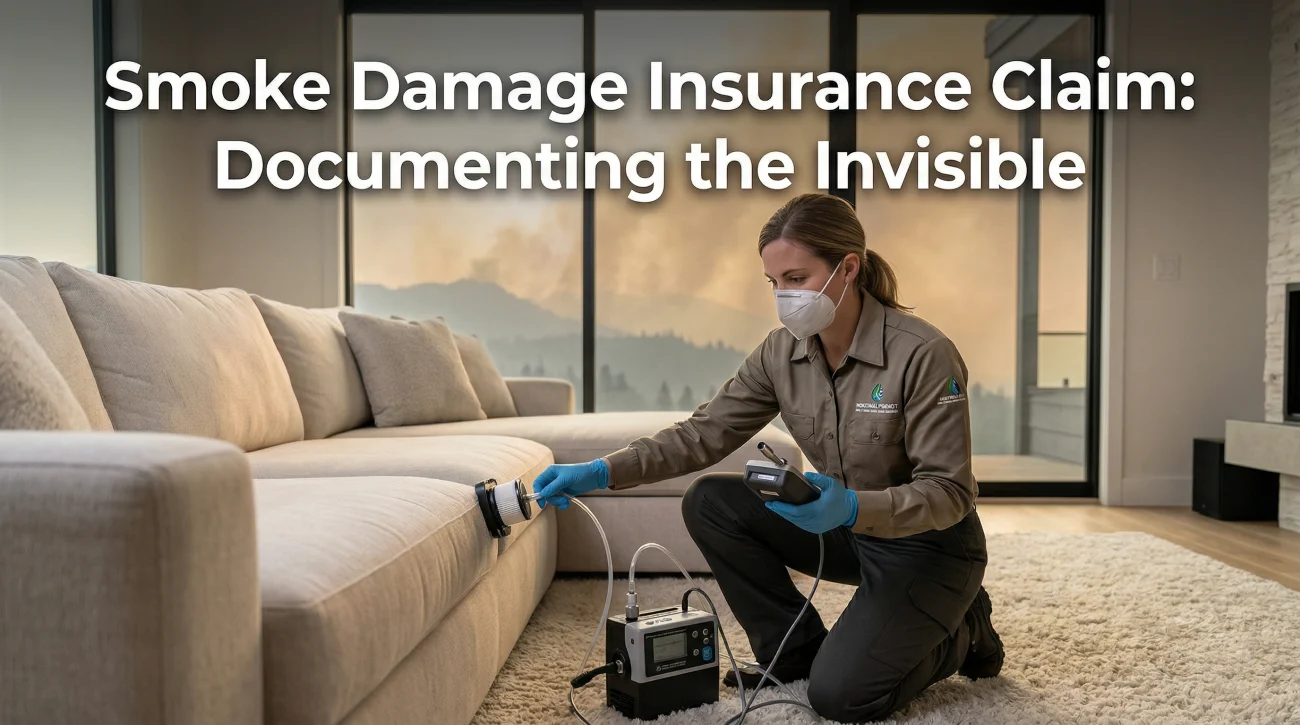
External smoke damage from wildfires or neighbor fires is frequently undervalued because adjusters rely on visual surface inspections for an invisible contaminant. The most expensive and commonly missed components are HVAC system contamination and soft-goods personal property, both requiring specialized assessment. Proper documentation must happen before you dispute a claim. Independent industrial hygienist testing is … Read more

Tree Damage Insurance Claim: What’s Covered, What’s Not, and Where Claims Go Wrong

Tree Damage Insurance Claim

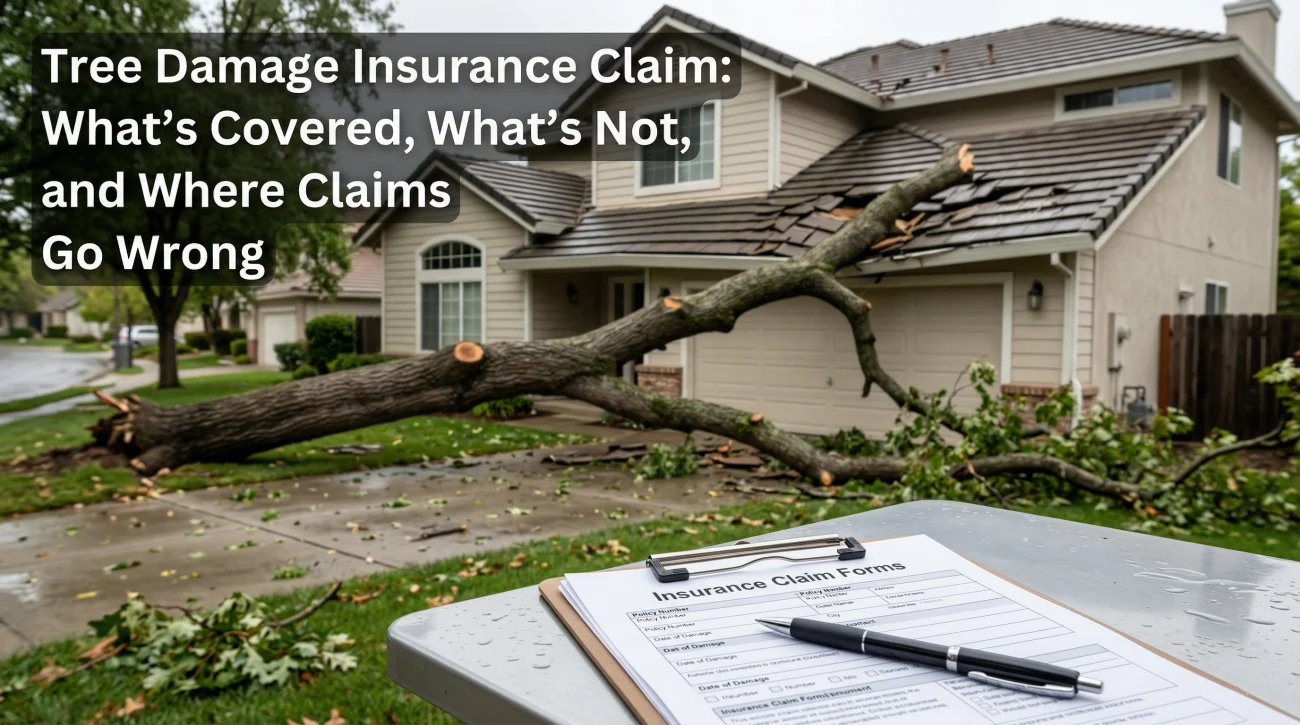
Most standard policies cover tree damage only if the tree physically strikes a covered structure, like your home, garage, or fence. If a neighbor’s tree falls on your house, your insurance pays the claim. The neighbor is only liable if you can prove they were negligent before the fall. Insurers frequently deny claims by arguing … Read more

Burst Pipe Insurance Claim: The Negligence Denial and What Actually Happened

Home Insurance Claim For Burst Pipe

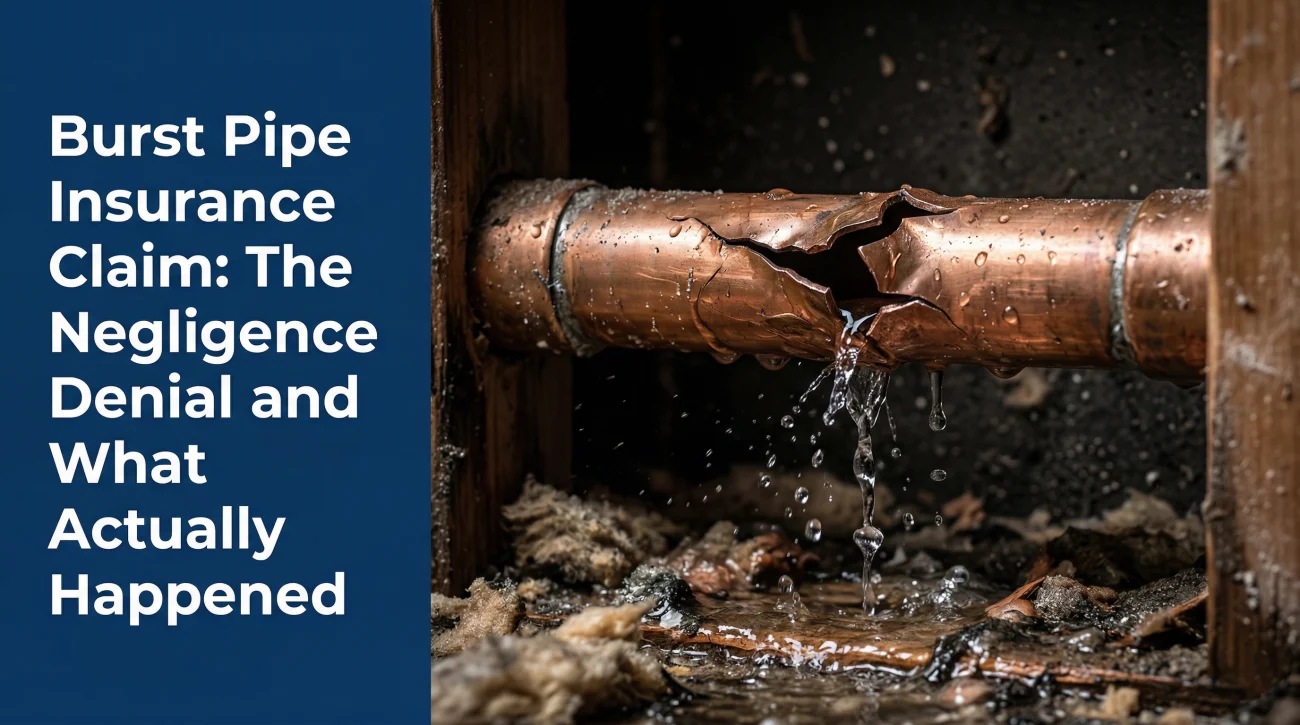
A frozen and burst pipe is a covered peril, but insurers frequently attempt to deny these claims by accusing the homeowner of failing to maintain adequate heat. The burden is on the insurance company to document that you actually neglected the property, not just assume it because a pipe froze during a cold snap. Your … Read more

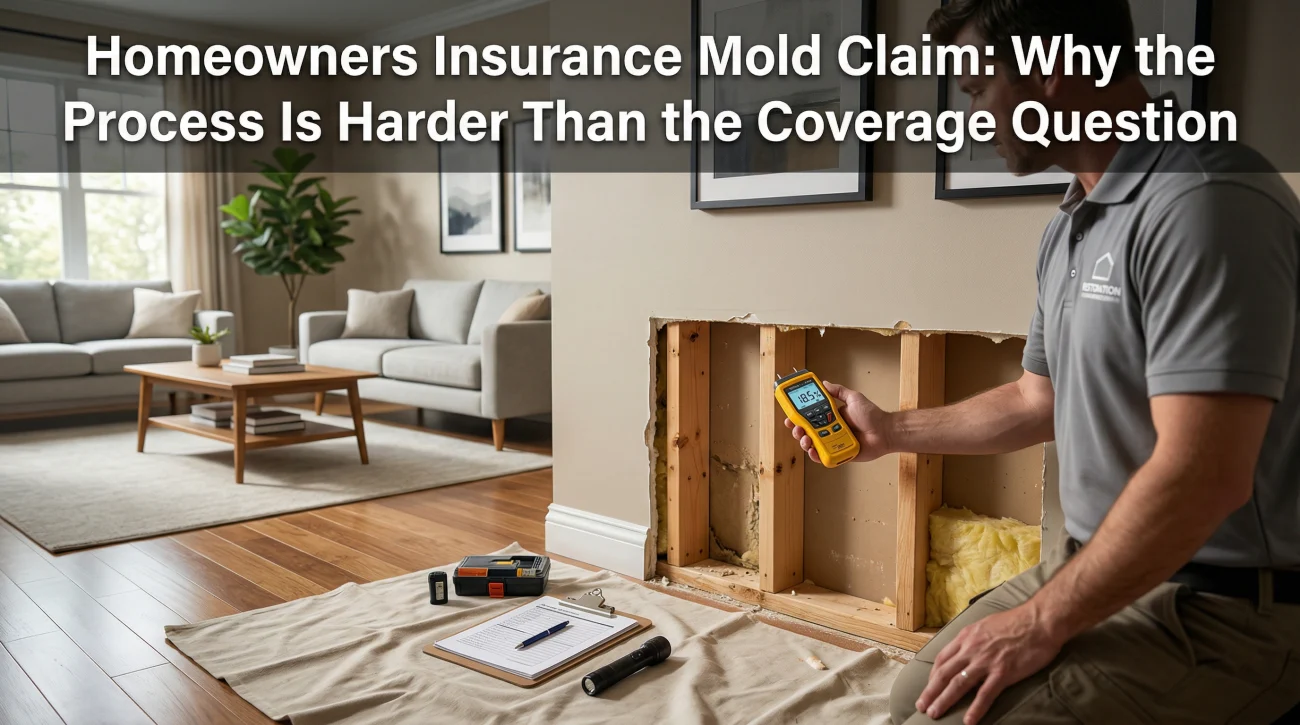
Homeowners Insurance Mold Claim: Why the Process Is Harder Than the Coverage Question

Homeowners Insurance Mold Claim

Getting a mold claim approved is only the first hurdle; the most expensive disputes revolve around how the adjuster categorizes the source of the moisture and the scope of the cleanup. Adjusters frequently rely on visual inspections to label mold as “gradual” or “long-standing,” but mold does not carry a timestamp. Independent testing is often … Read more

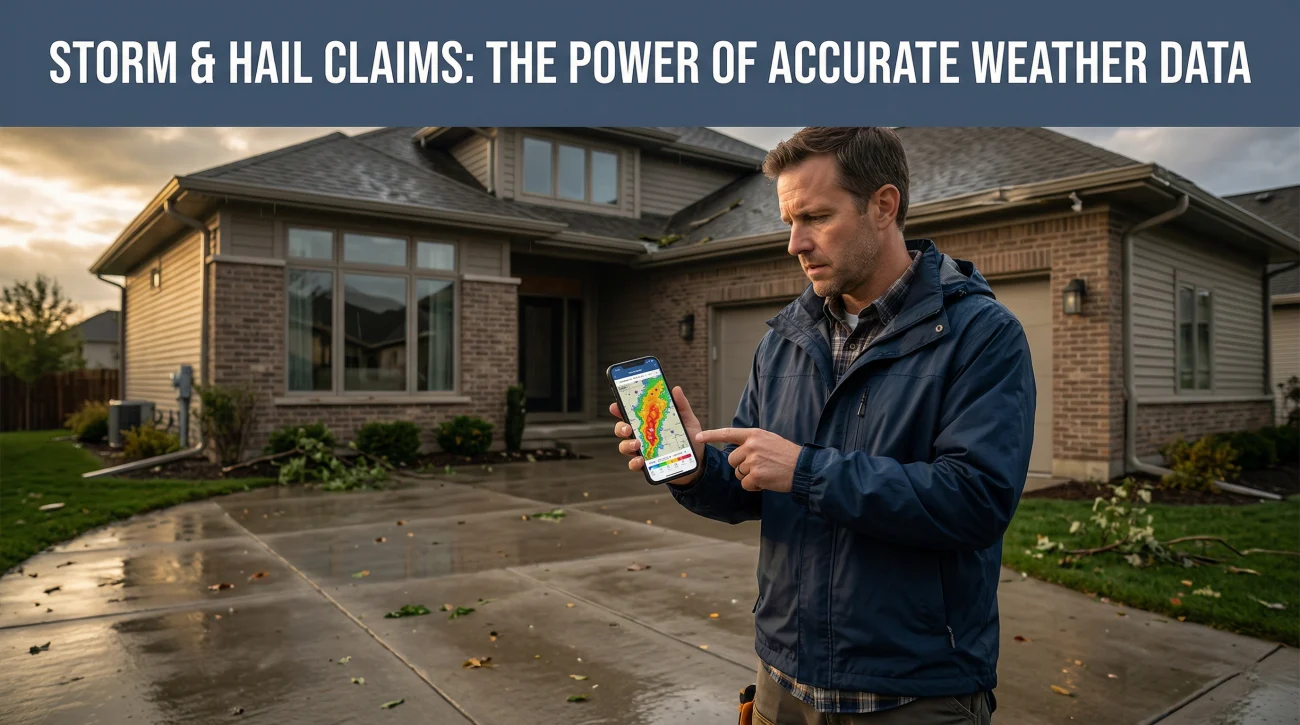
Storm and Hail Damage Insurance Claim: How Assessments Go Wrong and What You Can Do

Hail Damage Insurance Claim

Insurers use historical weather maps and meteorological data to verify your storm date; getting this “date of loss” right is the foundation of a successful claim. Hail assessment relies heavily on soft metal impacts (gutters, AC fins, vents) because they show undeniable proof of sudden damage versus normal aging. Storms rarely damage just one part … Read more

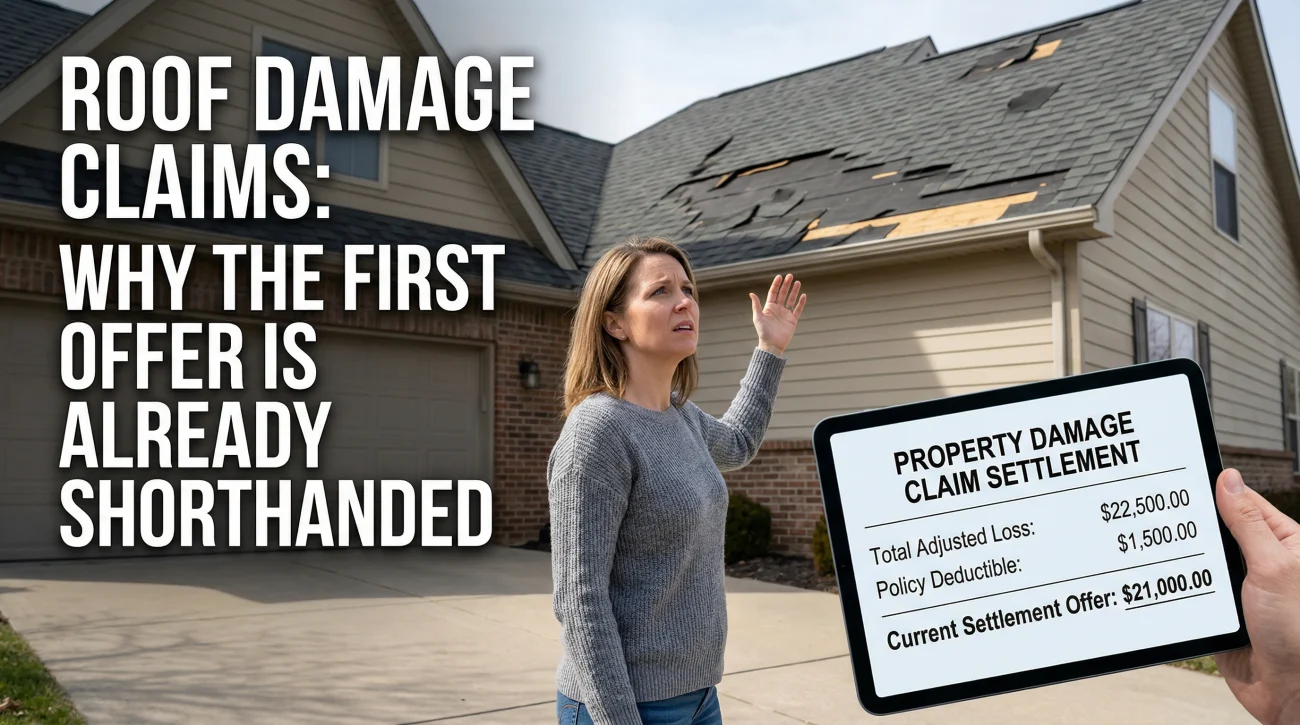
Roof Damage Insurance Claim: Why the First Offer Is Almost Never the Full Picture

Homeowners Insurance Roof Claim

The roof is the most frequently claimed component in home insurance, but it also has the highest rate of underpayment and wear-and-tear denials. Initial settlement offers rarely cover the full scope of damage, often missing crucial line items like flashings, decking, gutters, and drip edges. If you have RCV coverage, your first check is only … Read more

Home Insurance Claim After a Fire: The Scope Gaps That Cost Homeowners the Most

Home Insurance Claim Fire Damage

A fire claim involves three distinct layers of loss: structural damage, smoke and soot contamination, and the cost of temporary displacement. Smoke damage is the most frequently undervalued component of a fire claim, especially regarding HVAC system contamination and non-visible soot in wall cavities. Insurance adjusters often label non-visible smoke damage as “cosmetic” to limit … Read more

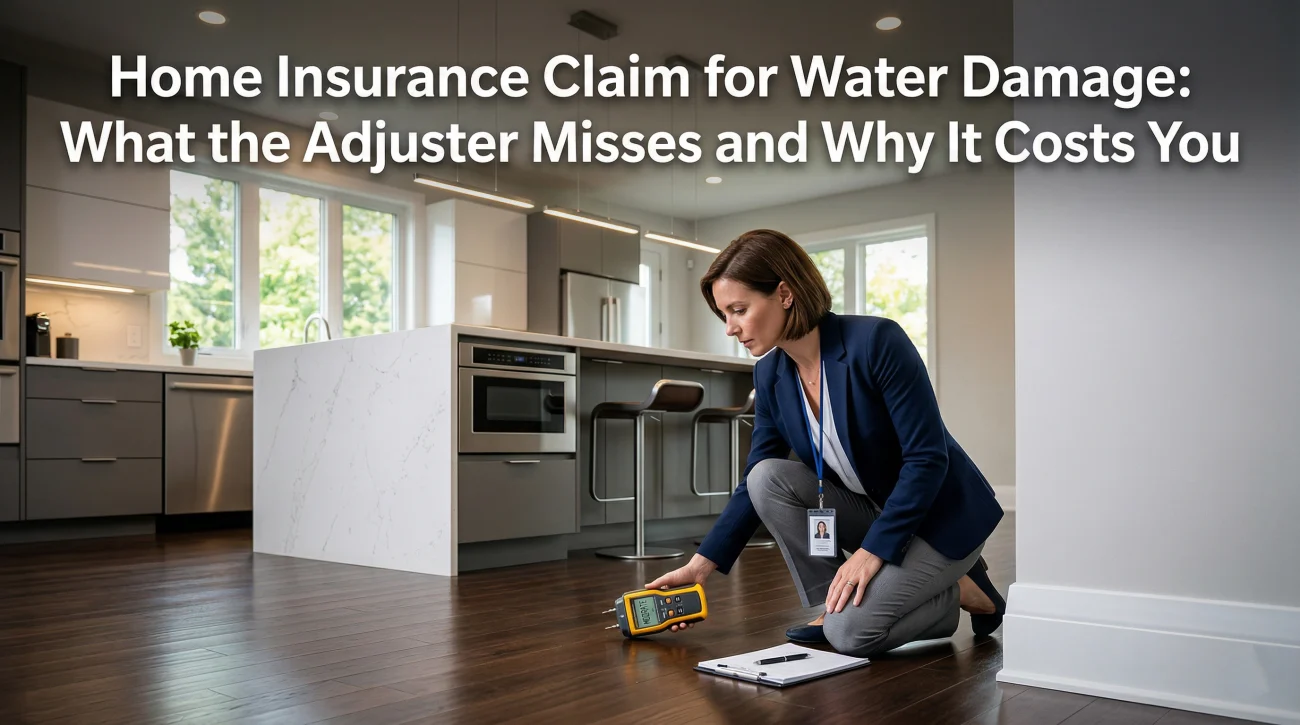
Home Insurance Claim for Water Damage: What the Adjuster Misses and Why It Costs You

Home Insurance Claim For Water Damage

Water damage claims are frequently underpaid not because of coverage denials, but because the adjuster’s initial scope misses hidden moisture behind walls and under floors. A thorough inspection requires moisture readings and thermal imaging; visual-only inspections almost always lead to incomplete settlements. Industry standards dictate specific drying equipment and timeframes. If your settlement cuts these … Read more

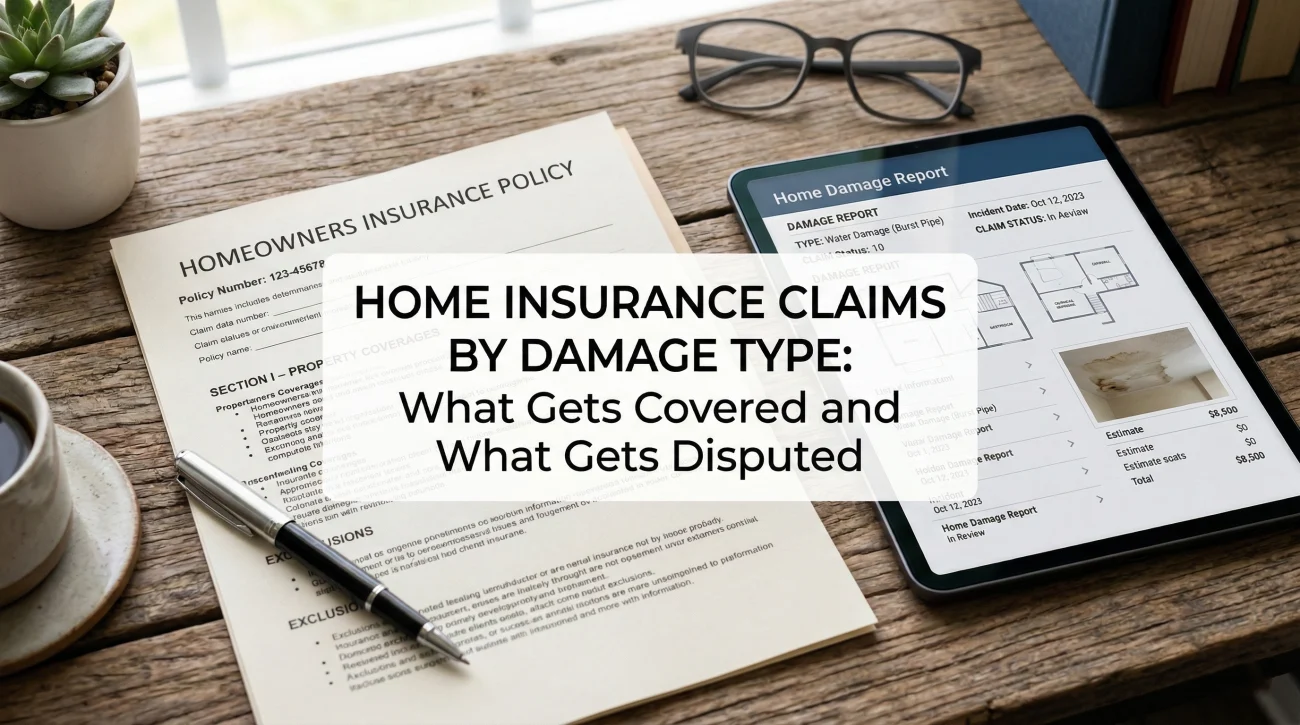
Home Insurance Claims by Damage Type: What Gets Covered and What Gets Disputed

Home Insurance Claims By Damage Type

Not all home insurance claims are treated equally. The specific type of damage you claim directly dictates how adjusters investigate it, the likelihood of a scope dispute, and the common reasons for underpayment. Water damage and roof claims have the highest volume and the highest rate of scope disputes, usually revolving around hidden moisture or … Read more