How to File a Home Insurance Claim: The Step-by-Step Process Most Guides Skip

How To File A Home Insurance Claim

Filing a claim is not just an administrative task; it is your first official recorded statement to the insurance company. Filing through an online portal allows you to control your narrative and avoid misspeaking, while phone filing creates an immediate audio record. Stick to the facts: state the date you discovered the damage and what … Read more


Can You Reopen, Cancel, or Withdraw a Home Insurance Claim?

Can A Home Insurance Claim Be Reopened

Canceling is possible: You can usually withdraw a claim before payment is issued, but the record of filing may still appear on your CLUE report. Reopening is common: A closed claim can often be reopened if you discover hidden damage during repairs or if you are claiming your recoverable depreciation within the policy deadline. Documentation … Read more

Does Homeowners Insurance Cover Fences, Detached Garages, and Other Structures?

Does Homeowners Insurance Cover Other Structures

Damage to fences, detached garages, sheds, and pools is generally covered by standard homeowners insurance under “Coverage B” (Other Structures). Coverage B is typically limited to 10 percent of your total dwelling coverage. If your home is insured for $300,000, you have $30,000 to repair or replace all detached structures. Outbuildings are covered against the … Read more

Public Adjuster on Your Insurance Check: What It Means and What to Do Next

Public Adjuster On Insurance Check 1

Seeing a public adjuster’s name on your insurance check is standard industry practice if you hired one, ensuring their contingency fee is protected. Both you and the public adjuster must endorse (sign) the check before it can be deposited or cashed. If you have a mortgage, your lender will likely also be on the check, … Read more

Home Insurance Claim Under Investigation: What It Means and What to Expect

Home Insurance Claim Investigation

Receiving a notice that your home insurance claim is under investigation is usually standard procedure, not an immediate accusation of fraud. Most investigations are routine reviews triggered by large claim amounts, complex damage, or a policy that was recently purchased. A routine home insurance claim investigation process typically takes 30 to 60 days, though complex … Read more

How Does a Public Adjuster Work? The Process and Timeline From First Call to Final Check

How Does A Public Adjuster Work

The public adjuster process starts with a free, no-obligation initial review of your damage and policy to determine if there is actually room to increase your settlement. Once you sign a contract, a “communication blackout” occurs between you and the insurer; the public adjuster takes over all direct negotiations, emails, and phone calls. A properly … Read more

Can You File a Home Insurance Claim After Repairs Are Done? What You Need to Know

Can You File Home Insurance Claim After Repair

Filing a claim after repairs are completed is possible if your policy filing window is still open. Emergency repairs to prevent further damage are expected, but destroying evidence before an adjuster visits can complicate your settlement. Without physical damage to inspect, your claim relies entirely on the quality of your pre-repair documentation and contractor records. … Read more

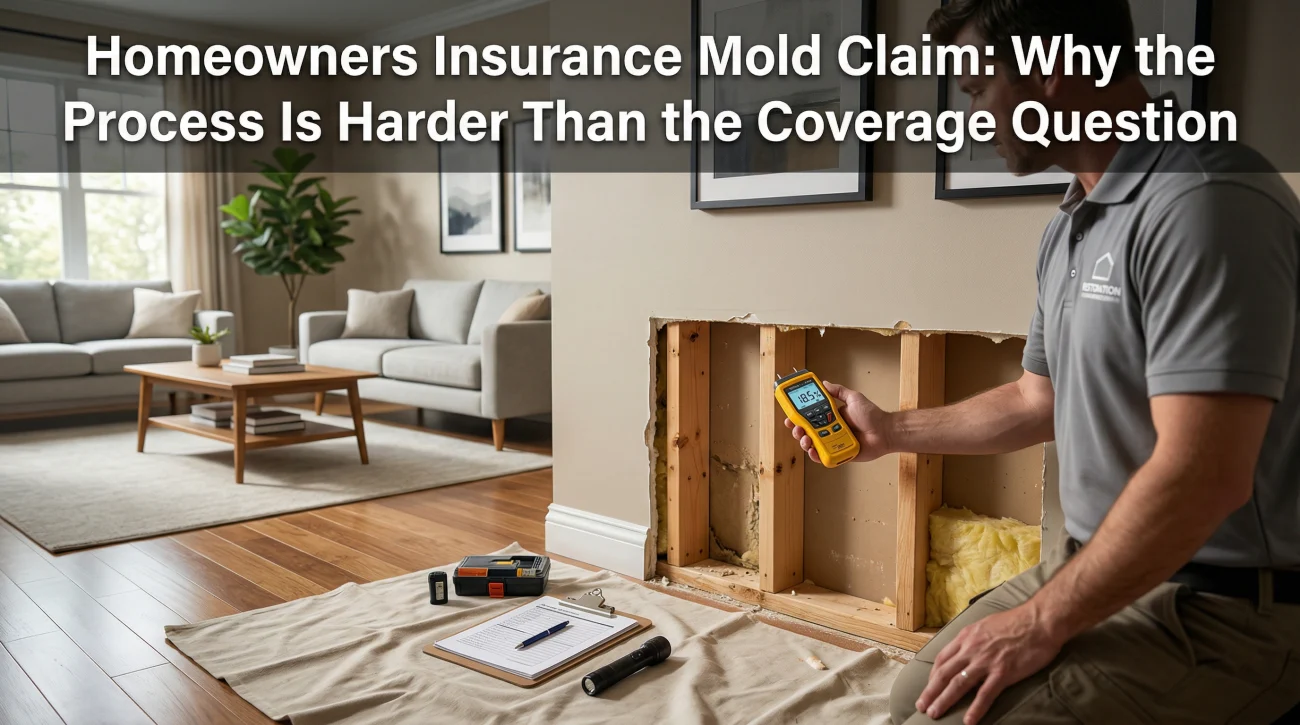
Homeowners Insurance Mold Claim: Why the Process Is Harder Than the Coverage Question

Homeowners Insurance Mold Claim

Getting a mold claim approved is only the first hurdle; the most expensive disputes revolve around how the adjuster categorizes the source of the moisture and the scope of the cleanup. Adjusters frequently rely on visual inspections to label mold as “gradual” or “long-standing,” but mold does not carry a timestamp. Independent testing is often … Read more

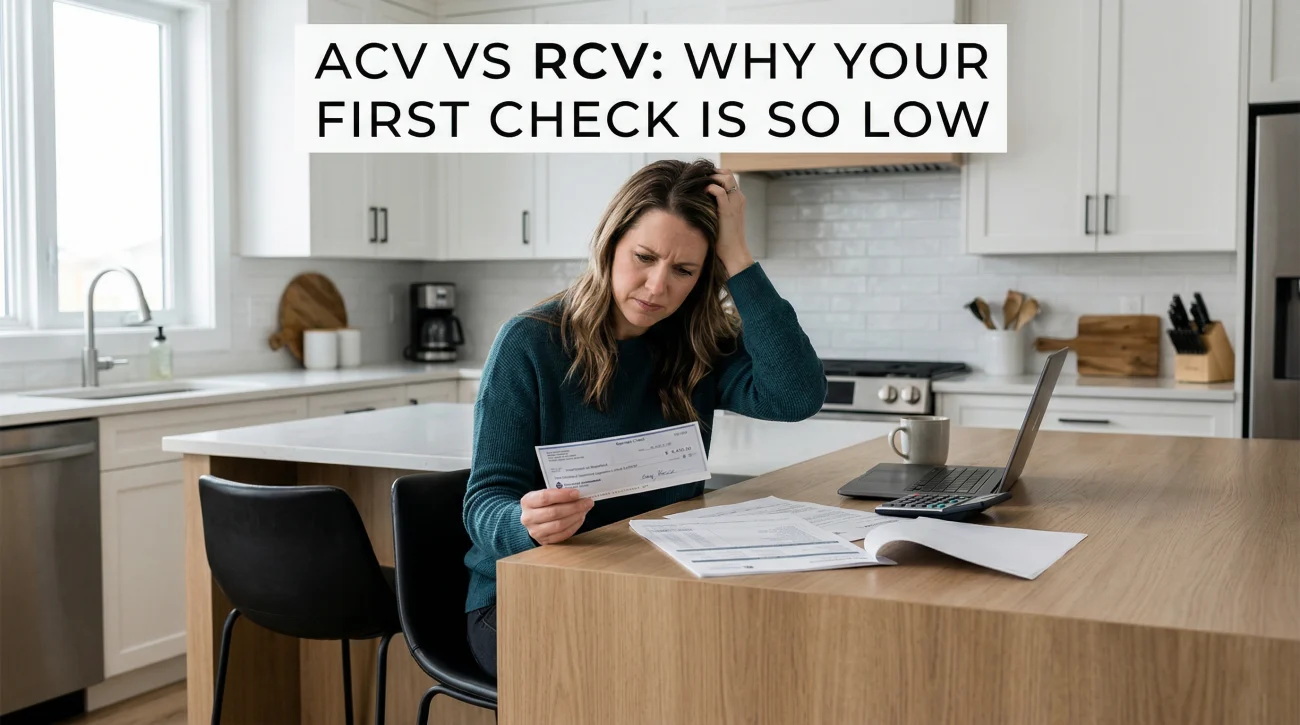
ACV vs RCV Home Insurance: The Two-Check System Most Homeowners Miss

ACV Vs RCV Home Insurance

Most standard replacement cost policies use a “two-check system” to pay out claims. The first check you receive is almost never the final settlement amount. The first check represents Actual Cash Value (ACV), which is the cost to repair the damage minus depreciation for age and wear. To get the withheld money (Recoverable Depreciation), you … Read more

Storm and Hail Damage Insurance Claim: How Assessments Go Wrong and What You Can Do

Hail Damage Insurance Claim

Insurers use historical weather maps and meteorological data to verify your storm date; getting this “date of loss” right is the foundation of a successful claim. Hail assessment relies heavily on soft metal impacts (gutters, AC fins, vents) because they show undeniable proof of sudden damage versus normal aging. Storms rarely damage just one part … Read more