How to Find a Licensed Public Adjuster: What to Check Before You Trust Anyone

How To Find A Licensed Public Adjuster

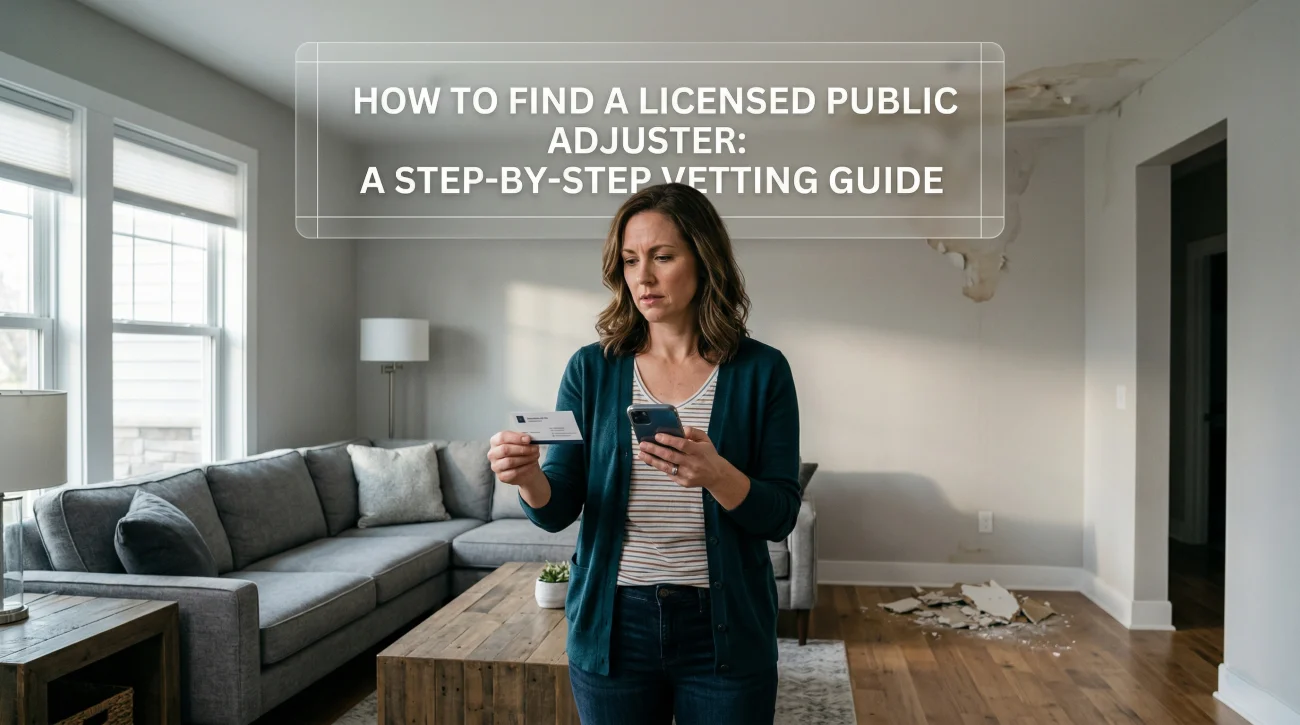
Not everyone claiming to handle insurance claims is a licensed public adjuster; verifying their state license is the single most important step before hiring. Always check their license through your state Department of Insurance (DOI) portal to confirm their active status and check for any disciplinary history. Be highly skeptical of “storm chasers” (individuals who … Read more

Homeowners Insurance Bad Faith Claim: How to Recognize the Signs

Homeowners Insurance Bad Faith Claim

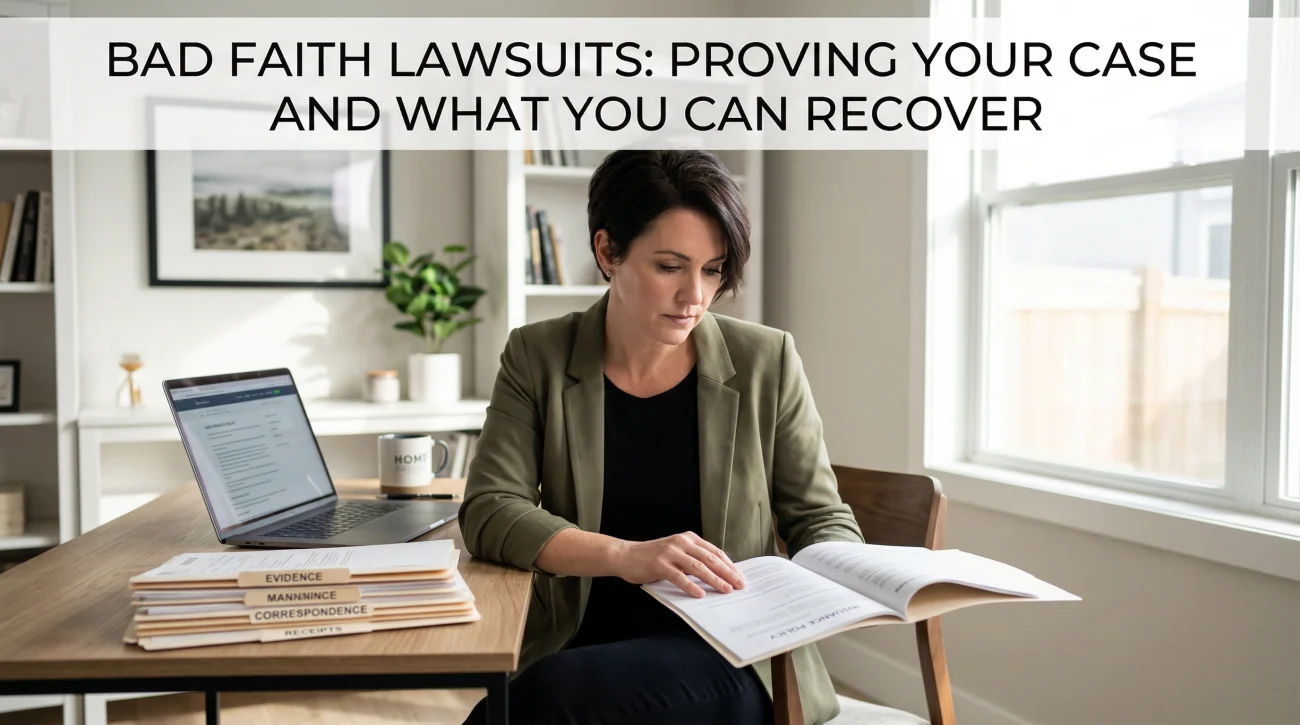
There is a strict legal distinction between an insurance adjuster making an honest mistake and an insurance company acting in bad faith. Unreasonable delays, misrepresenting your policy language, and failing to properly investigate your damage are recognized patterns of bad faith conduct. If your claim experience matches these specific patterns, the appropriate next step is … Read more

Home Insurance Claim Time Limit: How Long You Have to File and What Happens If You Miss It

Home Insurance Claim Time Limit

Your policy claim filing deadline and your state’s statute of limitations are two completely different clocks. The policy deadline is usually much shorter and is the one that matters first. Insurers use meteorological data and weather records to establish the exact date of storm losses. You cannot simply use the date you discovered the damage. … Read more

Storm and Hail Damage Insurance Claim: How Assessments Go Wrong and What You Can Do

Hail Damage Insurance Claim

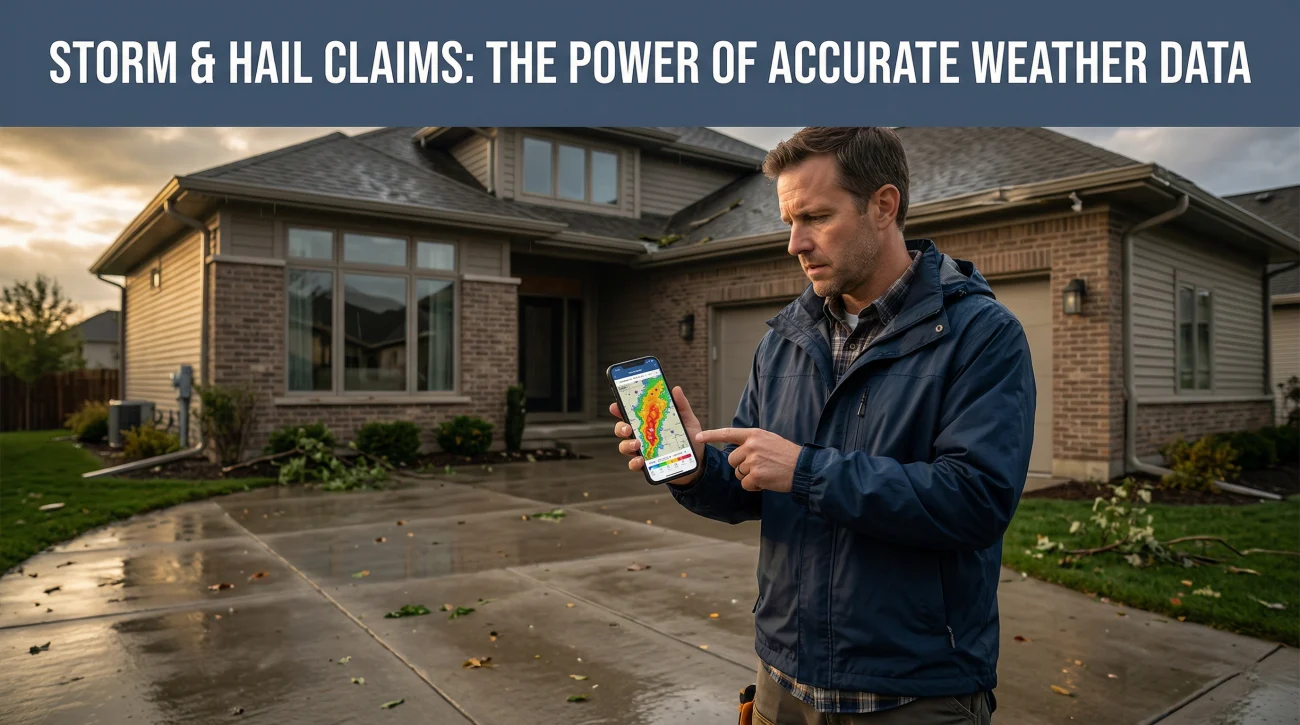
Insurers use historical weather maps and meteorological data to verify your storm date; getting this “date of loss” right is the foundation of a successful claim. Hail assessment relies heavily on soft metal impacts (gutters, AC fins, vents) because they show undeniable proof of sudden damage versus normal aging. Storms rarely damage just one part … Read more

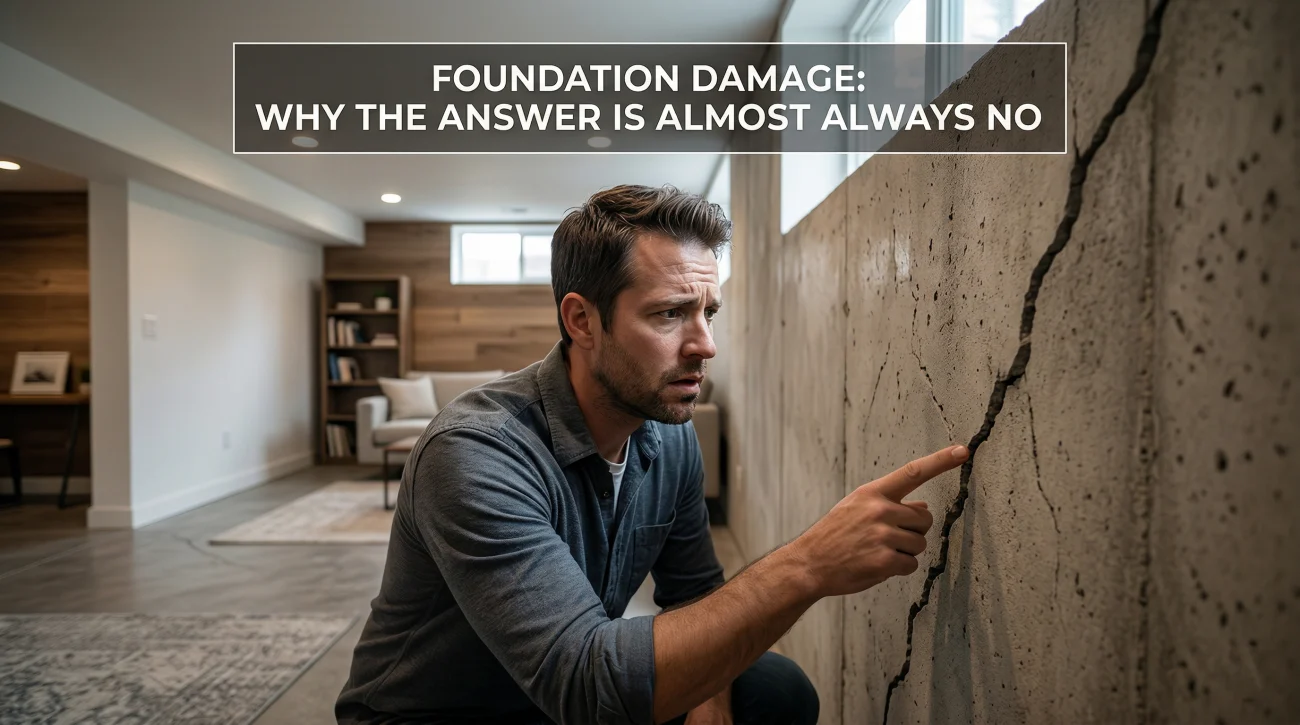
Does Homeowners Insurance Cover Foundation Damage? Why the Answer Is Almost Always No

Does Homeowners Insurance Cover Foundation Damage

Standard homeowners insurance almost never covers foundation damage caused by settling, soil movement, or natural wear over time. Adjusters typically deny these claims citing “earth movement” or “hydrostatic pressure” exclusions. Coverage only applies in extremely narrow, specific exceptions, such as sudden structural collapse, damage from a covered event like a massive burst pipe, or specific … Read more

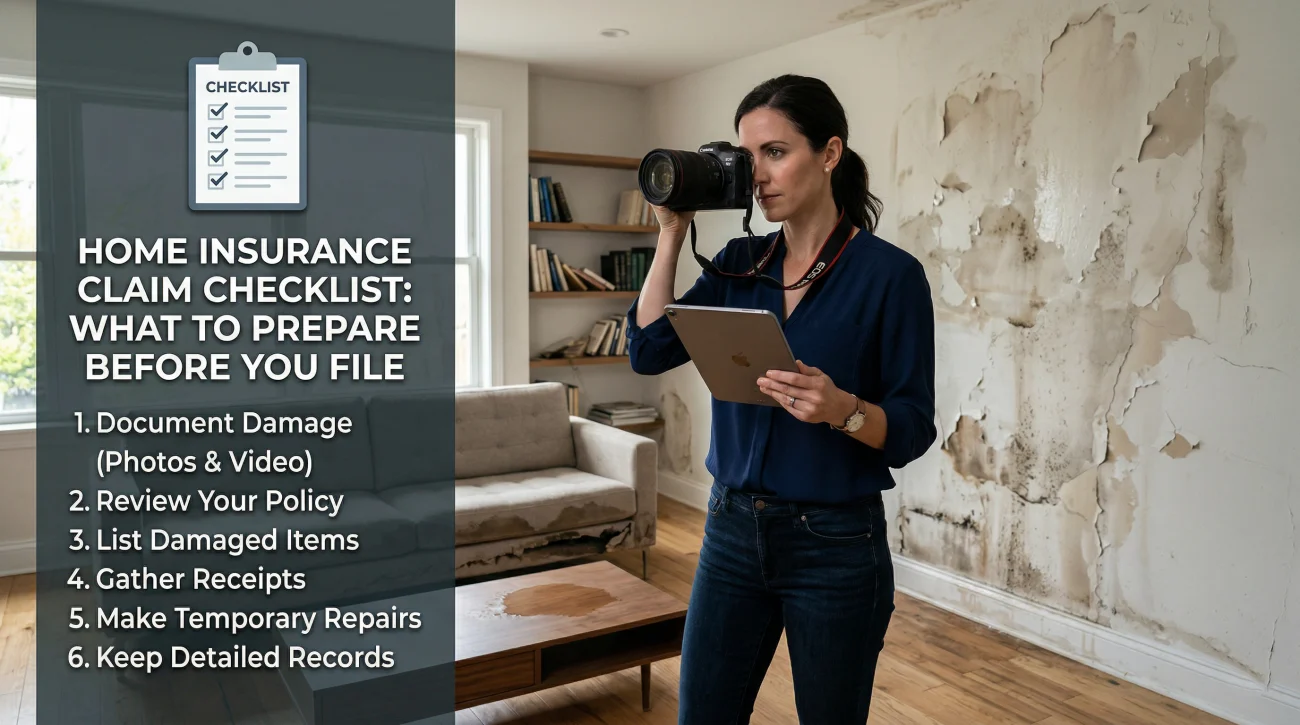
Home Insurance Claim Checklist: What to Prepare Before You File

Home Insurance Claim Checklist

Documenting damage before you clean up is the single most important step you can take to protect your settlement value. Insurance adjusters base their estimates on what they can physically see during their visit, making your pre-visit photos critical evidence. Having an independent contractor estimate ready provides a baseline to check if the insurance offer … Read more

How to Sue Your Home Insurance Company: The Lawsuit Process Explained

How To Sue Your Home Insurance Company

Suing your insurance company is a normal legal remedy when standard negotiations and appeals fail, not a dramatic last resort. The discovery phase is where these lawsuits are heavily fought. Be prepared to produce years of maintenance records and sit for a formal deposition. Most property insurance lawsuits settle during mediation before ever reaching a … Read more

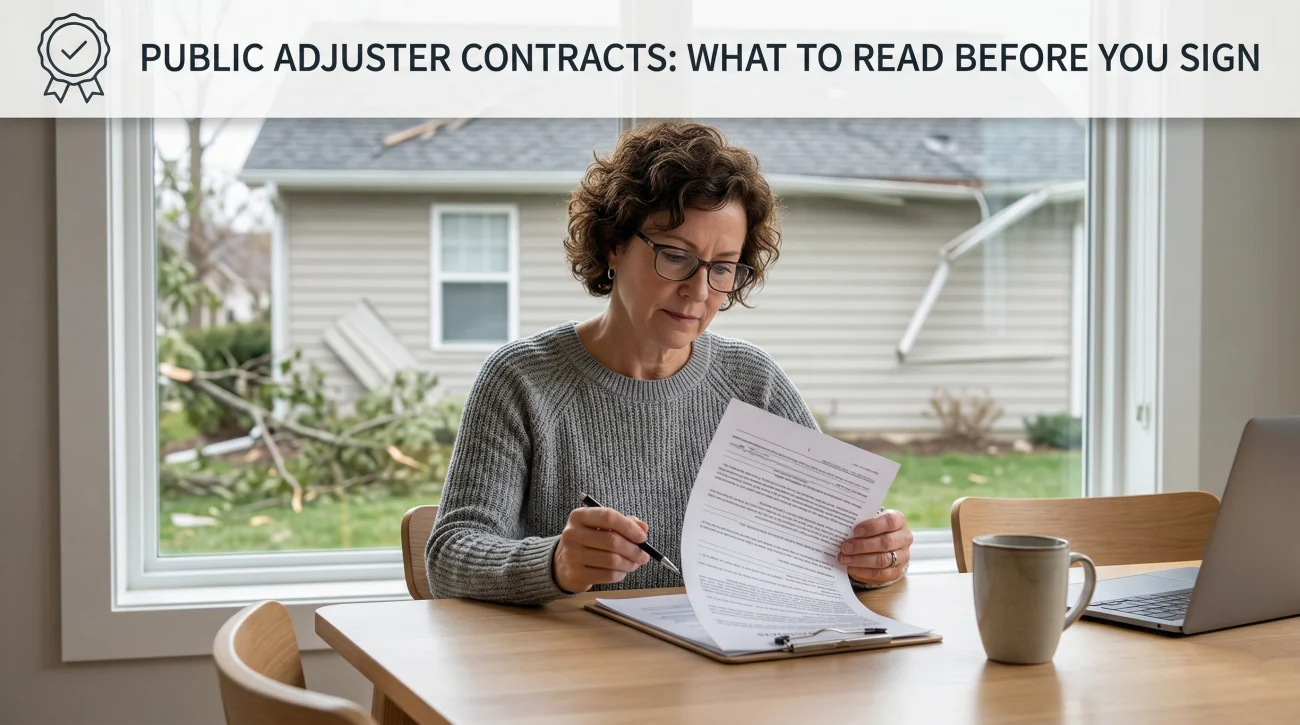
Public Adjuster Contract: What to Read Before You Sign and What Are the Red Flags

Public Adjuster Contract

Never sign a public adjuster contract on the spot immediately following a major storm or disaster. Take time to read the specific terms. Ensure the contract explicitly states whether the fee percentage applies to the entire claim settlement or only to the new money the adjuster recovers above your prior offer. Most regulated states require … Read more

How to File a Complaint Against a Home Insurance Company (And What It Actually Does)

How To File Complaint Against Home Insurance Company

Filing a complaint with your state’s Department of Insurance triggers a regulatory review to ensure the insurer followed proper laws and procedures. It is not a lawsuit. The state can fine insurers for procedural violations, require them to respond to ignored communications, and investigate bad faith tactics. The state cannot force an insurance company to … Read more

Home Insurance Claim Deductible: When to File and When to Absorb the Cost

Home Insurance Claim Deductible

Your deductible is not always a flat fee. Many homeowners unknowingly have percentage-based deductibles that can cost thousands of dollars out of pocket. Filing a claim for damage that costs less than your deductible will result in zero payout but can still leave a negative mark on your insurance record. Insurance companies often apply depreciation … Read more

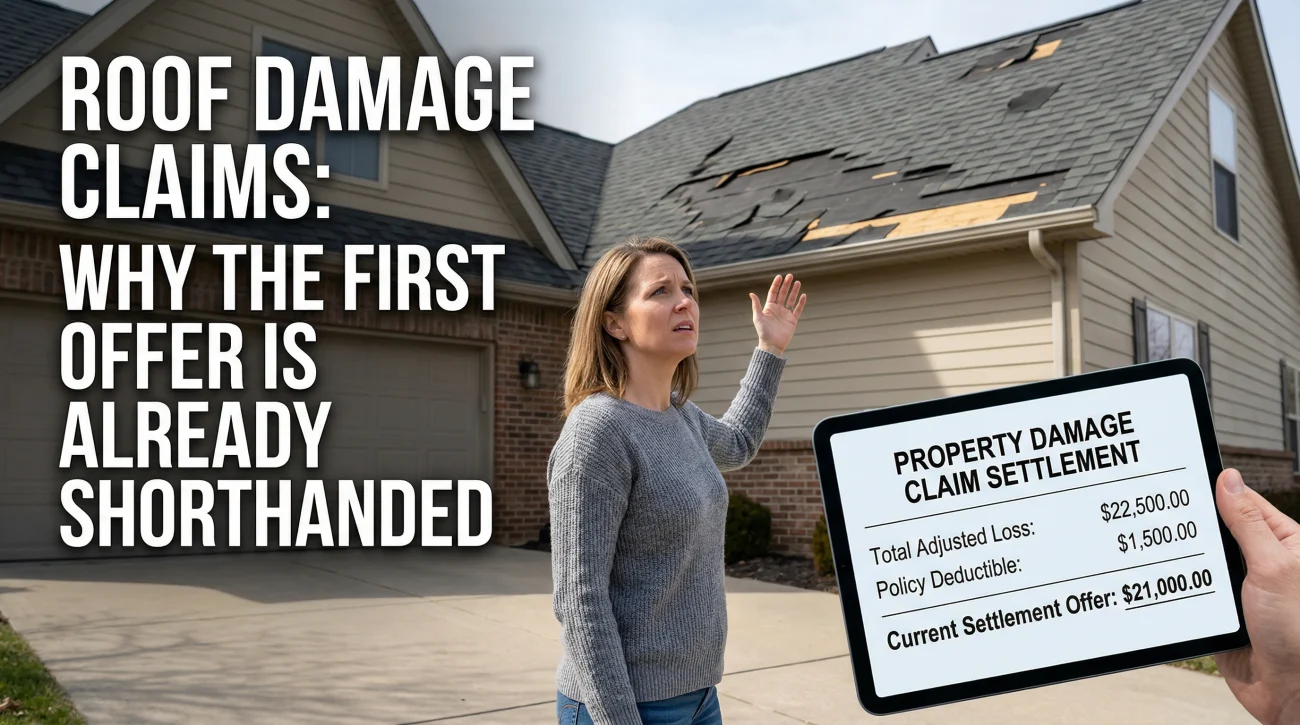
Roof Damage Insurance Claim: Why the First Offer Is Almost Never the Full Picture

Homeowners Insurance Roof Claim

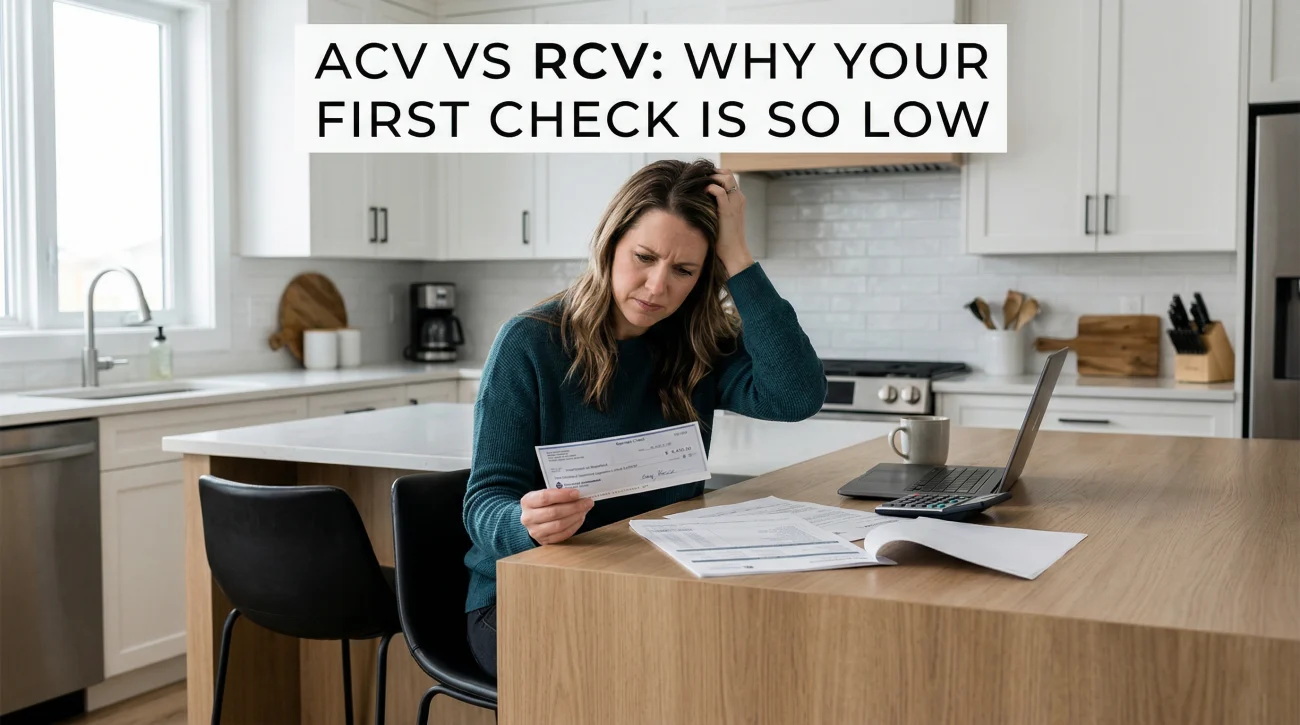
The roof is the most frequently claimed component in home insurance, but it also has the highest rate of underpayment and wear-and-tear denials. Initial settlement offers rarely cover the full scope of damage, often missing crucial line items like flashings, decking, gutters, and drip edges. If you have RCV coverage, your first check is only … Read more

Does Homeowners Insurance Cover Mold? The Causation Rule Most Homeowners Get Wrong

Does Homeowners Insurance Cover Mold

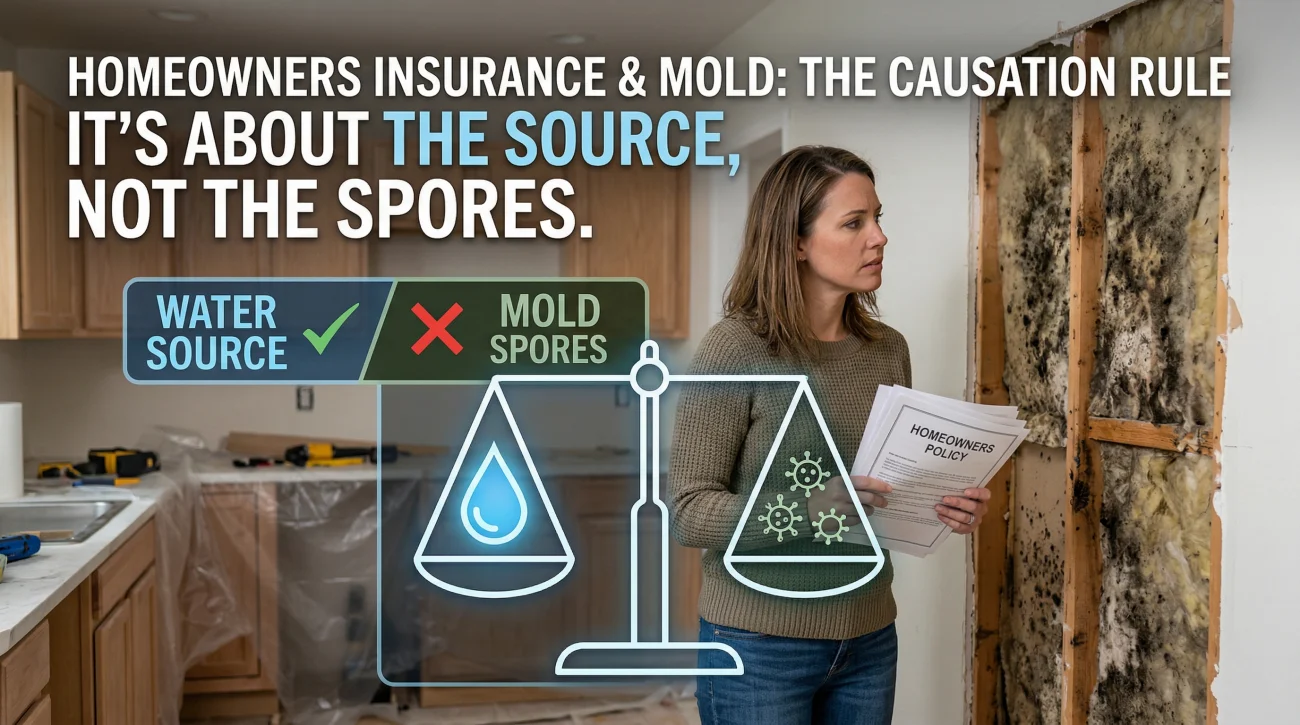
Mold coverage is based entirely on causation. The mold itself is not a covered event, but if it resulted from a sudden, covered peril (like a burst pipe), it may be covered. Gradual water damage, slow leaks, and poor ventilation are the most common reasons mold claims are denied. Even when mold is covered, standard … Read more

What Not to Say to a Home Insurance Adjuster (And Why It Matters)

What Not To Say To Home Insurance Adjuster

The adjuster visit is an information-gathering process, and casual conversation can inadvertently limit your coverage if misconstrued in their final report. Never speculate about how the damage occurred or guess timelines if you are unsure. Stating “I do not know” is much safer than guessing incorrectly. Avoid language that implies long-term neglect, such as “deferred … Read more

Home Insurance Attorney Contingency Fee: The Complete Cost Guide

Home Insurance Attorney Contingency Fee

Most home insurance attorneys work on a contingency fee basis, meaning you pay no upfront hourly rates and they only get paid if you receive a settlement. Attorney fees are typically calculated as a percentage of your total recovery or a percentage of the “new money” they secure above the insurer’s initial offer. Case expenses, … Read more

How Much Does a Public Adjuster Cost? Fees Explained Before You Sign Anything

How Much Does A Public Adjuster Cost

Public adjusters work on a contingency fee model, meaning they take a percentage of your final settlement and require zero upfront payment to start working on your claim. The most critical financial detail in any agreement is whether the fee percentage is applied to your entire total settlement or only to the new money the … Read more

Appraisal Clause Homeowners Insurance: How the Process Works

Appraisal Clause Homeowners Insurance

The appraisal clause is a binding dispute resolution mechanism built into most standard home insurance policies to settle disagreements over the dollar value of a claim. It can only be used for valuation and scope disputes (disagreements over “how much” a repair costs), not for coverage disputes (disagreements over “whether” the policy covers the damage … Read more