Home Insurance Claim Estimate Too Low: Why It Happens and What It Means

Home Insurance Claim Estimate Too Low

A gap between your contractor’s estimate and the insurance adjuster’s estimate is one of the most common hurdles in the property claim process. Estimates differ because adjusters use standardized software (like Xactimate), while contractors quote real-world local market costs for labor and materials. The most crucial distinction you must make is whether you are facing … Read more

Breach of Contract vs Bad Faith Insurance Claim Explained

Breach Of Contract Vs Bad Faith Insurance Claim

A breach of contract occurs when the insurer fails to pay what the policy covers, while bad faith means they acted unreasonably or deceptively in handling your claim. The type of claim you file dictates your potential recovery. Breach covers exactly what you are owed, whereas bad faith can include additional damages like attorney fees … Read more

Public Adjuster on Your Insurance Check: What It Means and What to Do Next

Public Adjuster On Insurance Check 1

Seeing a public adjuster’s name on your insurance check is standard industry practice if you hired one, ensuring their contingency fee is protected. Both you and the public adjuster must endorse (sign) the check before it can be deposited or cashed. If you have a mortgage, your lender will likely also be on the check, … Read more

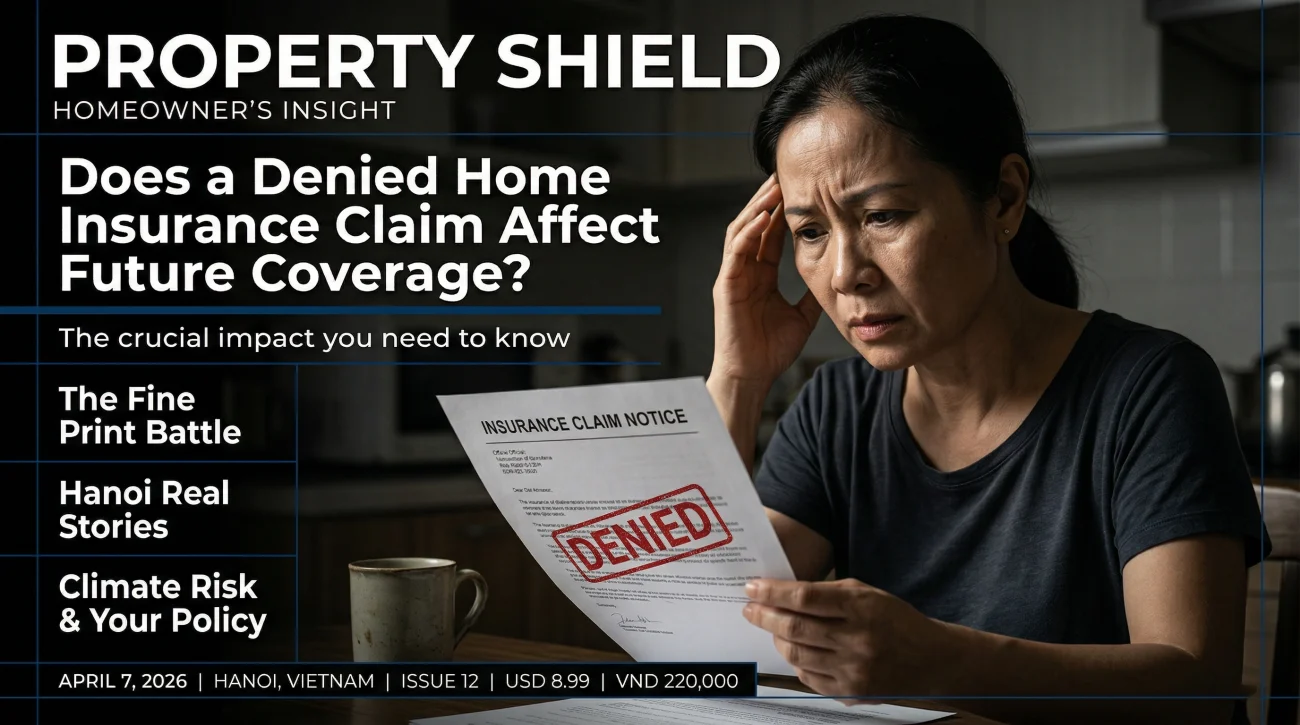
Does a Denied Home Insurance Claim Affect Future Coverage?

Does Denied Home Insurance Claim Affect Future Coverage

A denied claim does not simply disappear. It is logged in a national database called the CLUE report as a claim closed without payment, which underwriters review closely. Depending on your insurance company’s rating model, a zero-dollar claim can still trigger a premium increase or flag your policy for non-renewal due to claims frequency. You … Read more

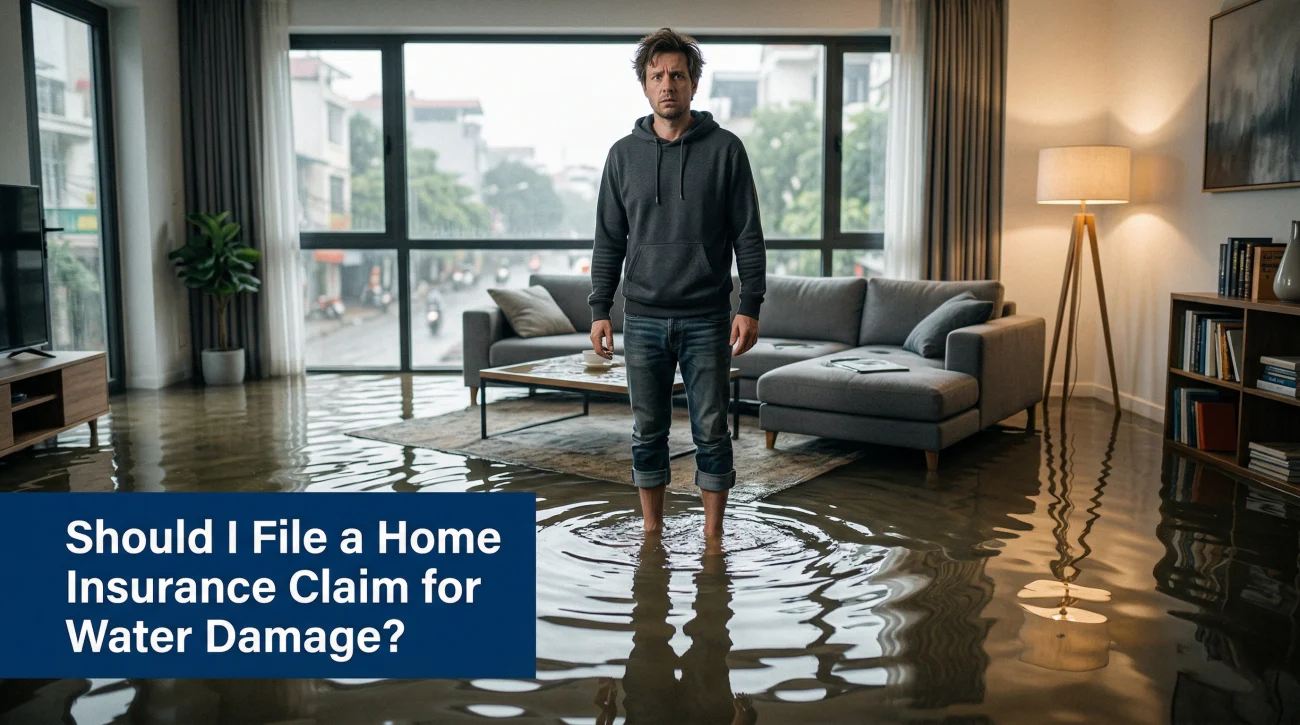
Should I File a Home Insurance Claim for Water Damage? The Decision Most Homeowners Get Wrong

Should I File Home Insurance Claim For Water Damage

Water claims trigger higher rate surcharges and stricter underwriting flags on your CLUE report compared to most other types of property damage. Filing for minor water damage that barely clears your deductible is the most common financial mistake homeowners make, often costing more in future premiums than the payout received. The hidden nature of water … Read more

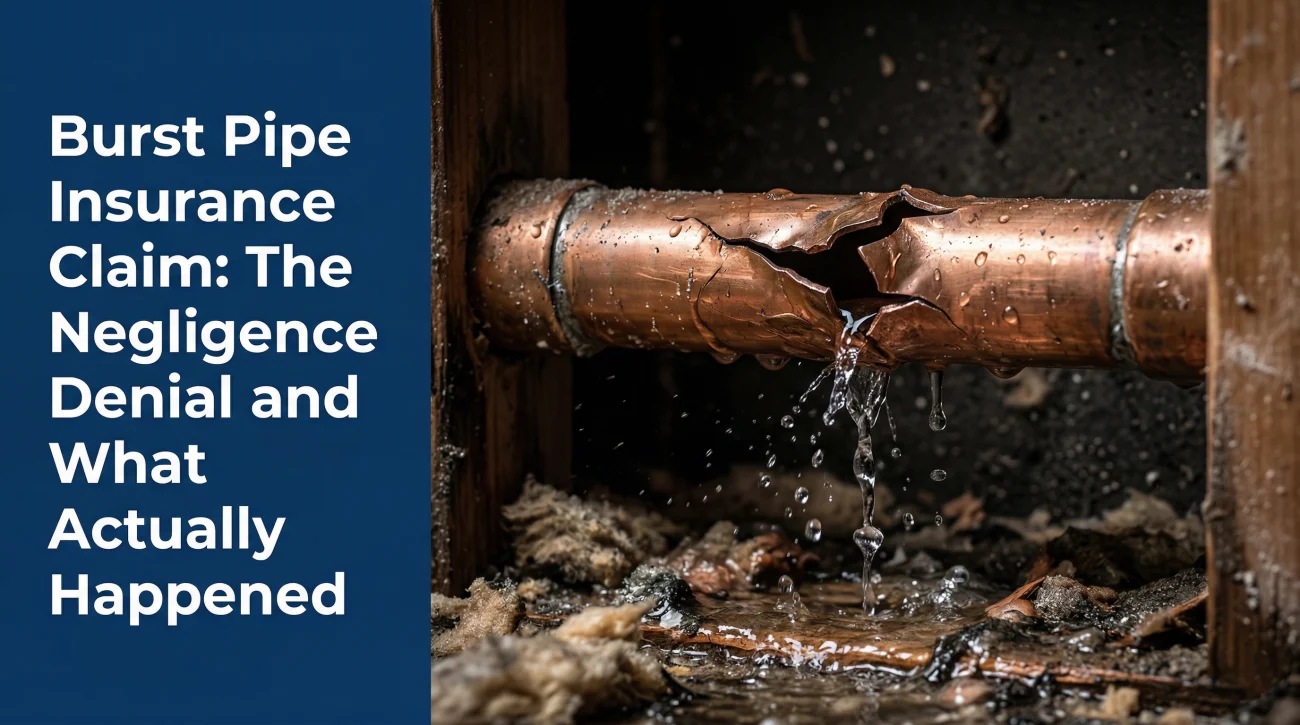
Burst Pipe Insurance Claim: The Negligence Denial and What Actually Happened

Home Insurance Claim For Burst Pipe

A frozen and burst pipe is a covered peril, but insurers frequently attempt to deny these claims by accusing the homeowner of failing to maintain adequate heat. The burden is on the insurance company to document that you actually neglected the property, not just assume it because a pipe froze during a cold snap. Your … Read more

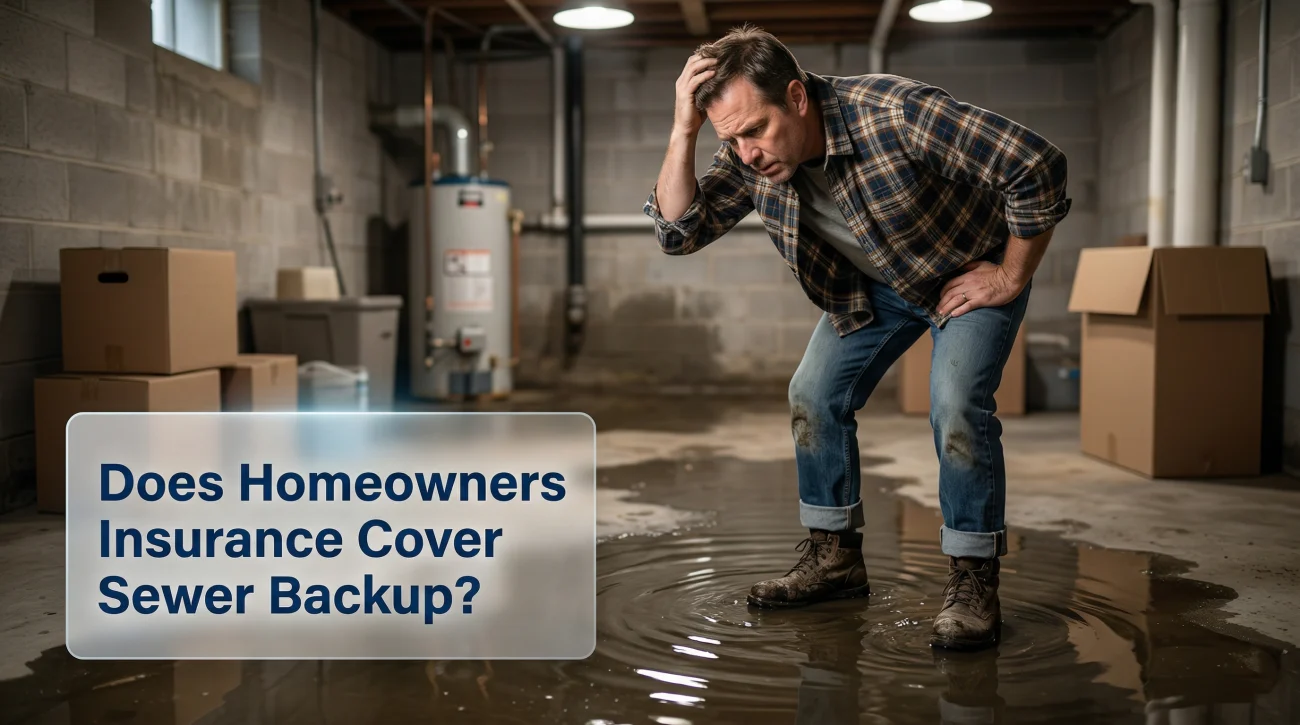
Does Homeowners Insurance Cover Sewer Backup? Why You Probably Need an Endorsement

Does Homeowners Insurance Cover Sewer Backup

Standard homeowners insurance policies almost never cover sewer or drain backups. It is a standard exclusion across the industry. Coverage is only available if you purchased a specific add on called a “Water Backup and Sump Overflow” endorsement. Even if you have the endorsement, limits are often capped at $5,000 or $10,000, which may not … Read more

Home Insurance Claim Under Investigation: What It Means and What to Expect

Home Insurance Claim Investigation

Receiving a notice that your home insurance claim is under investigation is usually standard procedure, not an immediate accusation of fraud. Most investigations are routine reviews triggered by large claim amounts, complex damage, or a policy that was recently purchased. A routine home insurance claim investigation process typically takes 30 to 60 days, though complex … Read more

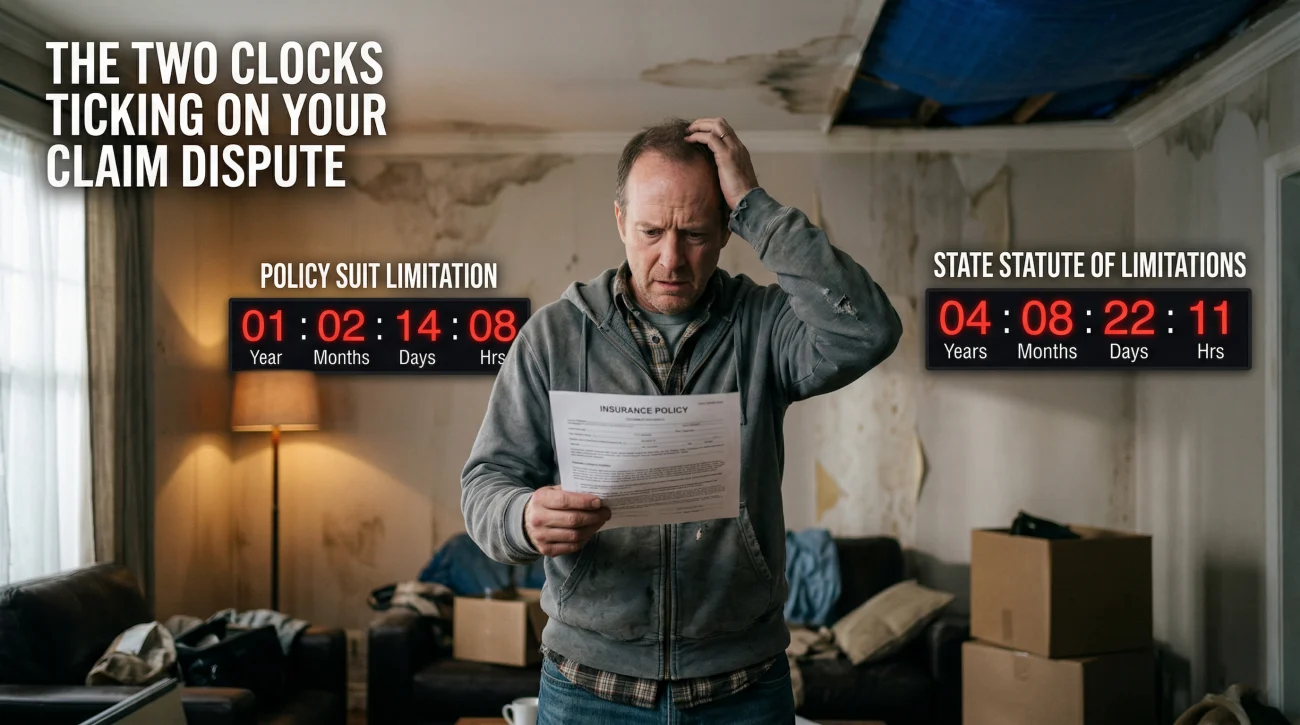
Home Insurance Claim Lawsuit Statute of Limitations: The Hidden Deadline You Can’t Afford to Miss

Home Insurance Claim Lawsuit Statute Of Limitations

There are two different deadlines you must track if you want to sue your insurer: the policy’s suit limitations clause and the state statute of limitations. The policy suit limitations clause is almost always shorter (typically one to two years) and usually overrides the state’s default timeline. Policy deadlines start ticking from the exact date … Read more

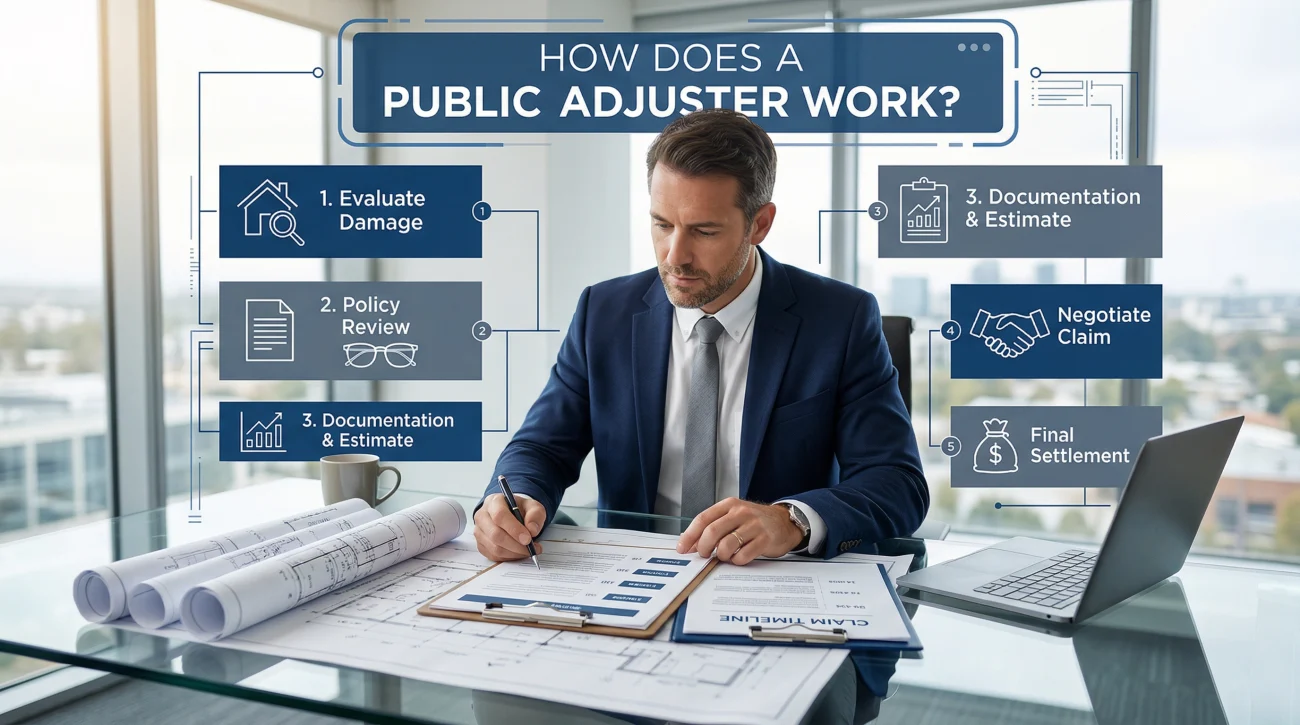
How Does a Public Adjuster Work? The Process and Timeline From First Call to Final Check

How Does A Public Adjuster Work

The public adjuster process starts with a free, no-obligation initial review of your damage and policy to determine if there is actually room to increase your settlement. Once you sign a contract, a “communication blackout” occurs between you and the insurer; the public adjuster takes over all direct negotiations, emails, and phone calls. A properly … Read more

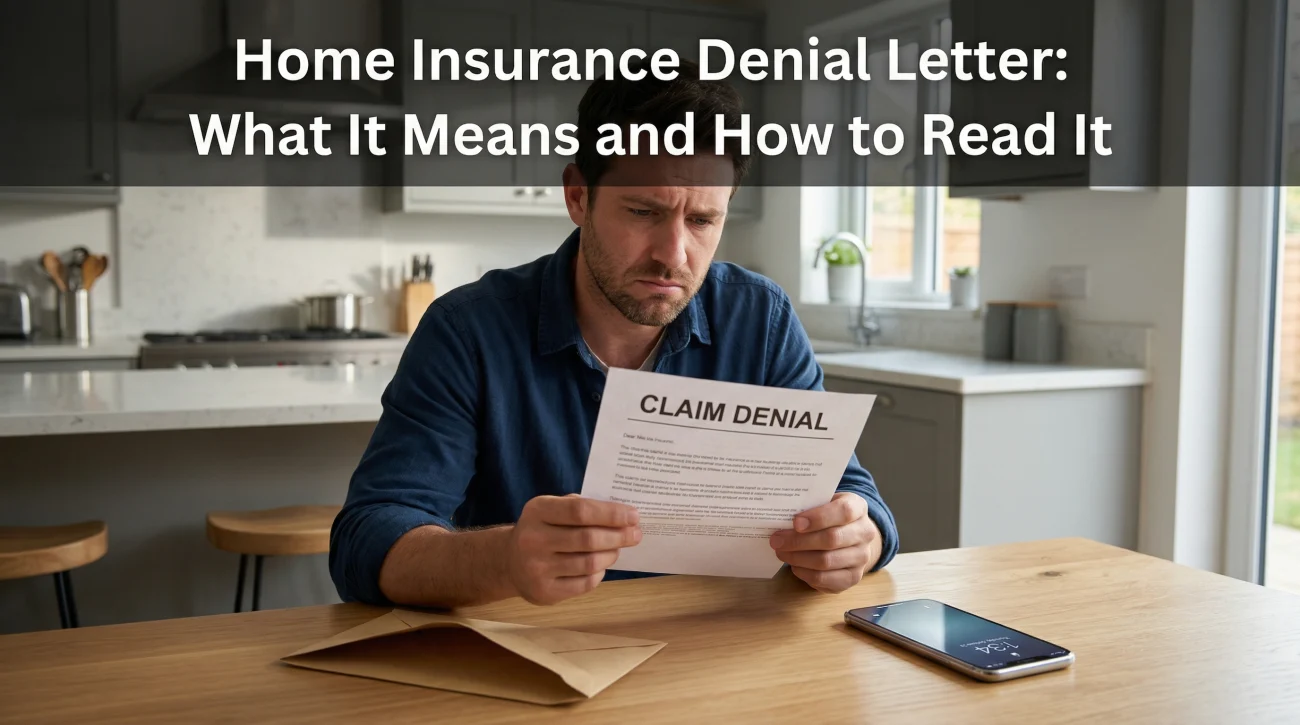
Home Insurance Denial Letter: What It Means and How to Read It

Home Insurance Denial Letter What It Means

A denial letter is not just a rejection notice. It is a highly structured legal document that outlines the exact foundation of the insurance company’s position. By law, the letter must cite the specific policy language and exclusion clauses the adjuster is using to deny your payout. Most denials fall into four categories: coverage exclusions, … Read more

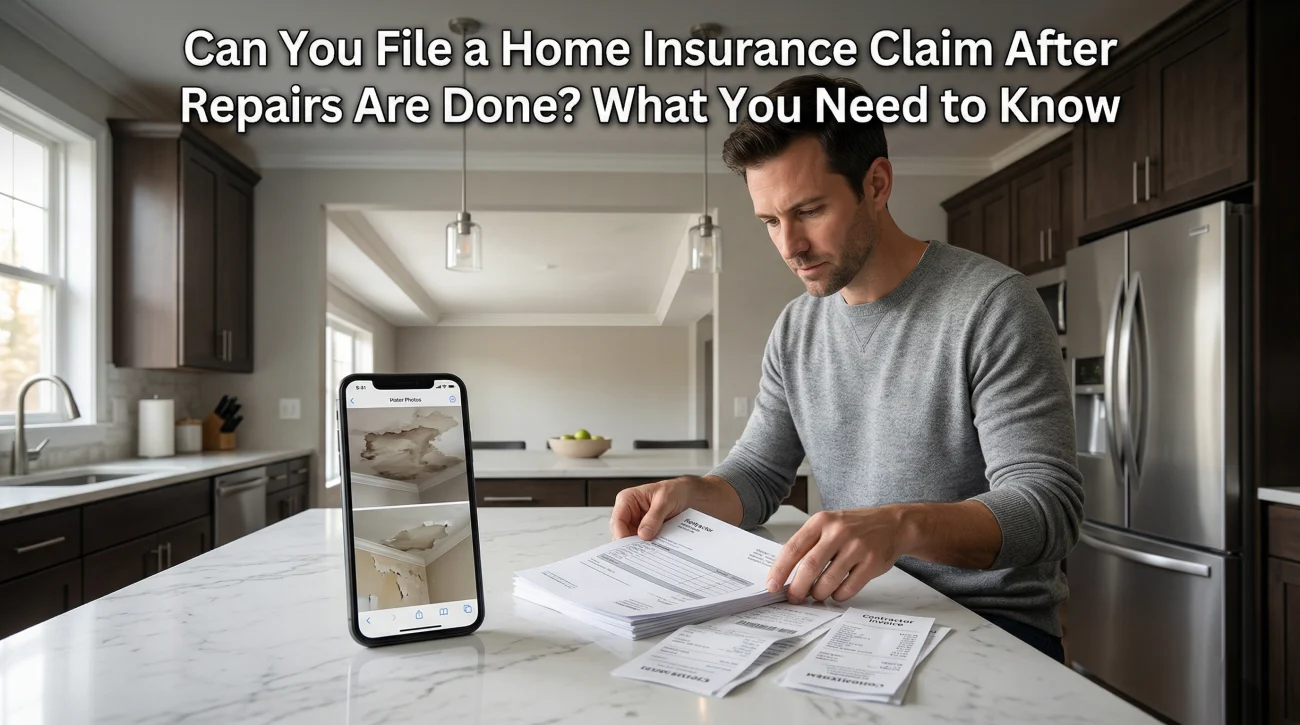
Can You File a Home Insurance Claim After Repairs Are Done? What You Need to Know

Can You File Home Insurance Claim After Repair

Filing a claim after repairs are completed is possible if your policy filing window is still open. Emergency repairs to prevent further damage are expected, but destroying evidence before an adjuster visits can complicate your settlement. Without physical damage to inspect, your claim relies entirely on the quality of your pre-repair documentation and contractor records. … Read more

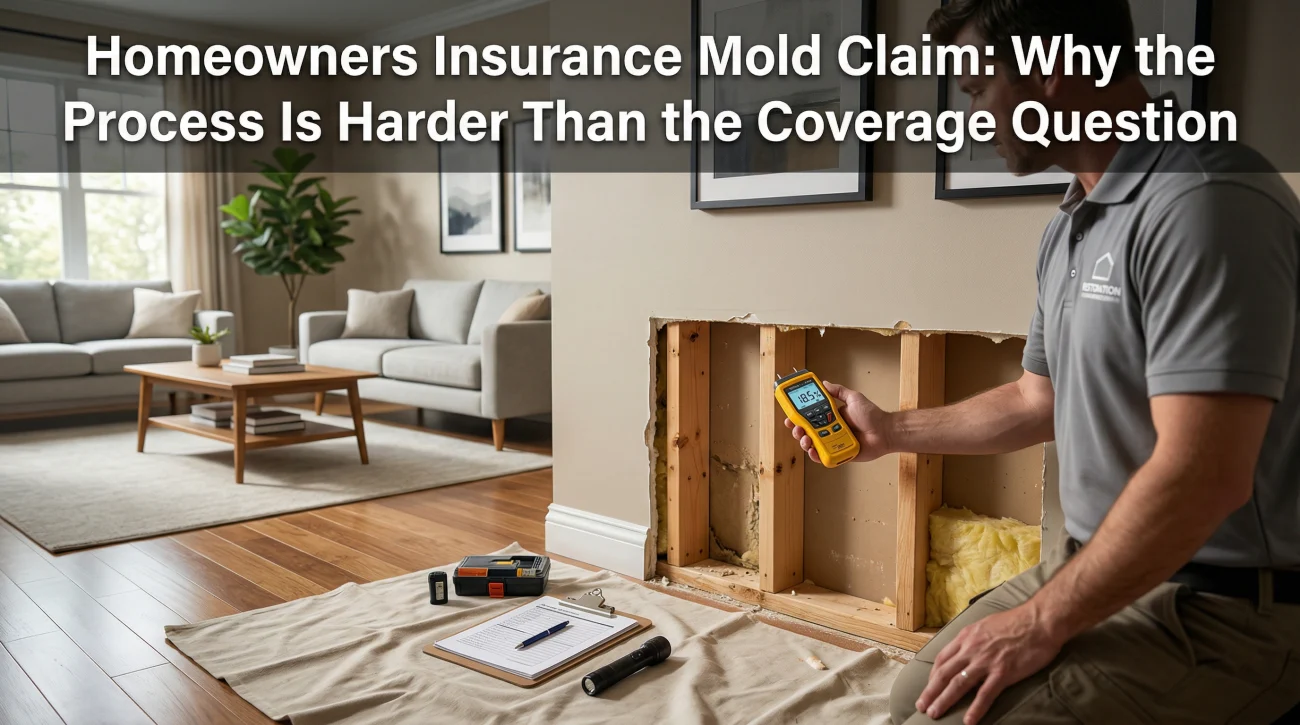
Homeowners Insurance Mold Claim: Why the Process Is Harder Than the Coverage Question

Homeowners Insurance Mold Claim

Getting a mold claim approved is only the first hurdle; the most expensive disputes revolve around how the adjuster categorizes the source of the moisture and the scope of the cleanup. Adjusters frequently rely on visual inspections to label mold as “gradual” or “long-standing,” but mold does not carry a timestamp. Independent testing is often … Read more

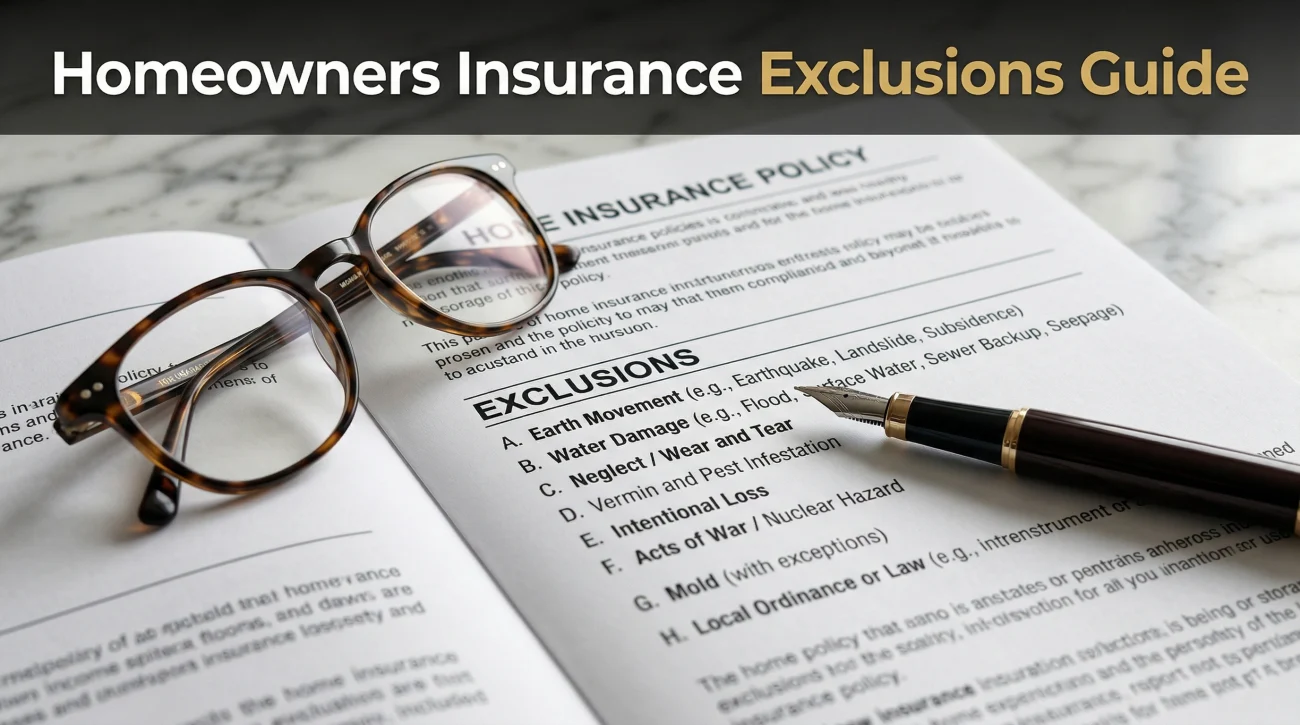
What Homeowners Insurance Does Not Cover: The Complete Exclusions Guide

Homeowners Insurance Exclusions

Standard homeowners insurance is designed for sudden, accidental events, which means predictable issues (like normal wear and tear) and systemic risks (like regional floods) are almost always excluded. Many common homeowner nightmares, such as sewer backups, slow pipe leaks, and foundation settling, fall under standard exclusions, but some can be covered by purchasing specific endorsements. … Read more

ACV vs RCV Home Insurance: The Two-Check System Most Homeowners Miss

ACV Vs RCV Home Insurance

Most standard replacement cost policies use a “two-check system” to pay out claims. The first check you receive is almost never the final settlement amount. The first check represents Actual Cash Value (ACV), which is the cost to repair the damage minus depreciation for age and wear. To get the withheld money (Recoverable Depreciation), you … Read more

Homeowners Insurance Bad Faith Lawsuit: Proving Your Case and What You Can Recover

Homeowners Insurance Bad Faith Lawsuit

A standard breach of contract lawsuit asks the insurer to pay what the policy covers. A bad faith lawsuit asks the court to penalize the insurer for acting unreasonably during the claim process. Proving bad faith requires meeting a two-part standard: you must show that the insurer failed to pay a covered benefit and that … Read more